
On April 28, 2025, the conference “Formation of Russian and Moscow Cultural Identity” was held in Moscow with the support of. The event was dedicated to issues of cultural identity in a multipolar world (the project is being implemented with the support of Grants from the Mayor of Moscow for socially oriented NGOs of the Committee for Public Relations and Youth Policy of the City of Moscow).
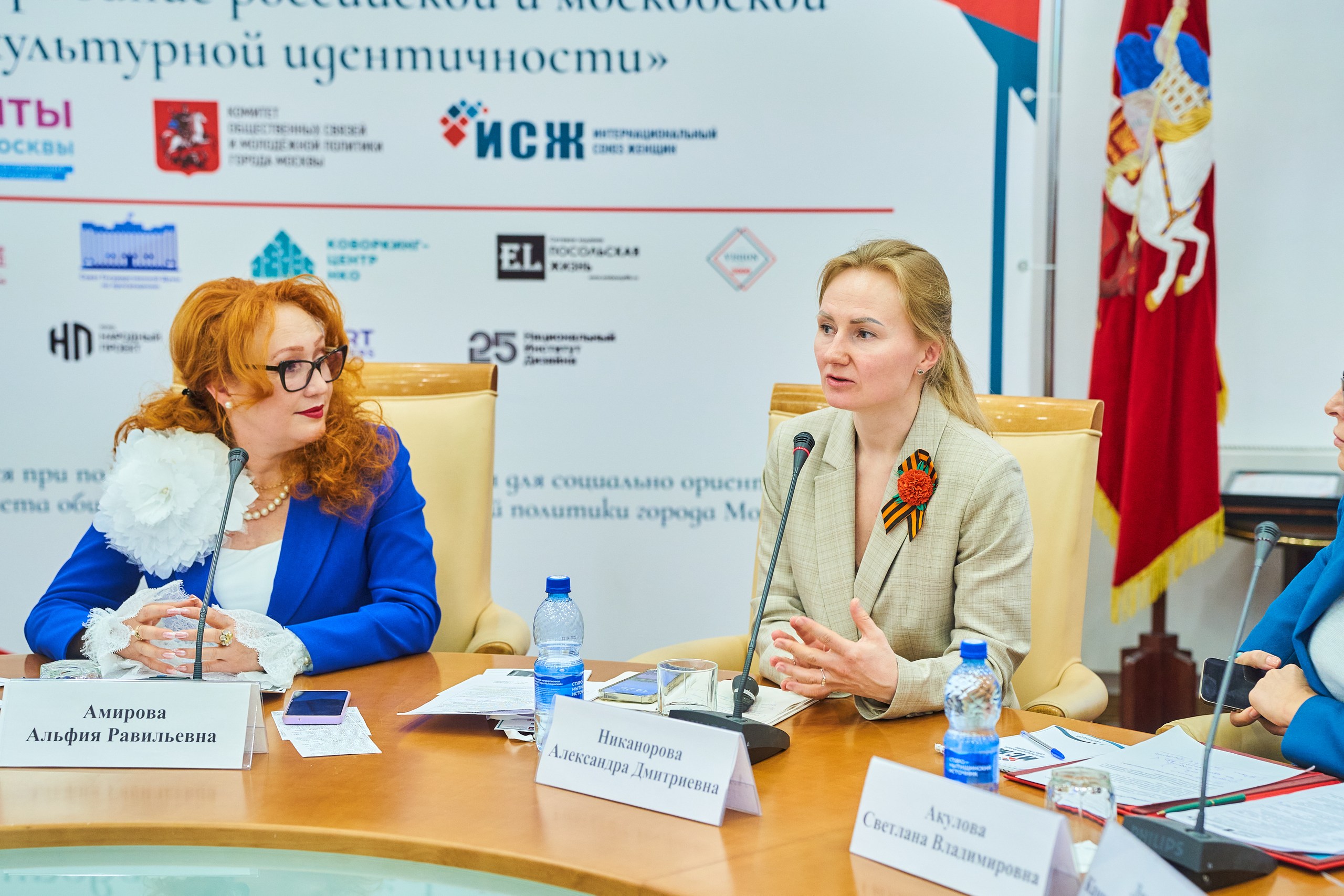
Participated in the Conference as an expert speaker. Alexandra Dmitrievna Nikanorova, PhD in Geography, Department of Recreational Geography and Tourism, Faculty of Geography, Lomonosov Moscow State University, Chairman of the Community of Wives of Russian Diplomats. Alexandra Dmitrievna She chose the topic of her speech: “Tourism as a strategic basis for the development of Moscow’s cultural potential.”
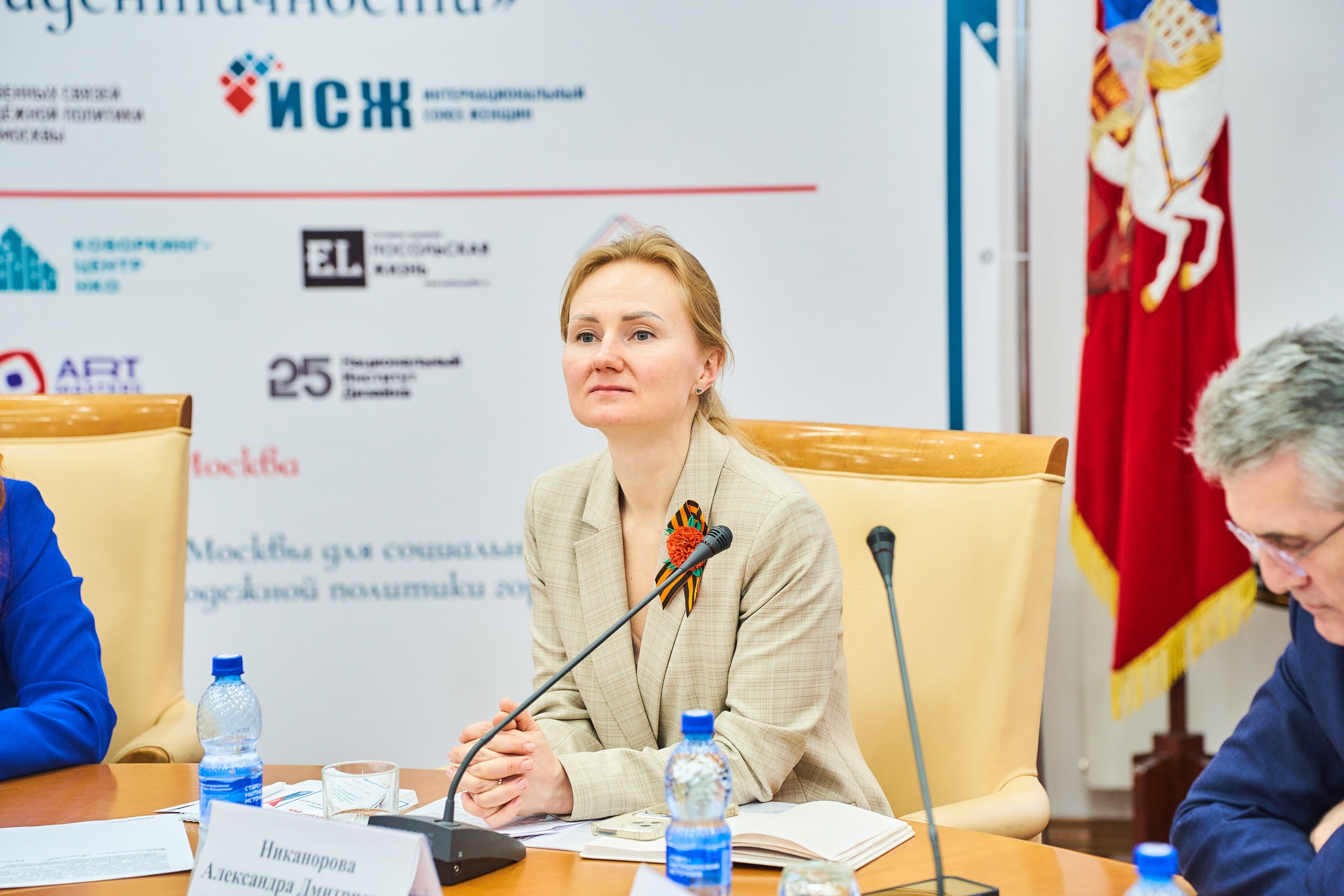
1) Moscow is a leading region in terms of tourist flow, as well as the quality and variety of tourist products and services.
According to estimates by the Moscow City Hall, 26 million tourists visited the capital in 2024, which exceeded the record figure of 2019 (25.1 million people). One third of the domestic tourist flow consists of visitors from the regions of the Central Federal District, another 17-18% are tourists from St. Petersburg, Khanty-Mansiysk and Yamalo-Nenets Autonomous Okrugs, Krasnodar Territory, Tatarstan and Sverdlovsk Region.
It is also already known that in the first 9 months of 2024, the number of foreign tourists also increased by 19% compared to the same period last year, reaching 1.9 million people. Most of them were travelers from the Middle East and Asia, especially the BRICS countries.
2) Tourism is becoming a driver of economic growth and sustainable socio-economic development.In 2024, three-, four- and five-star hotels in the capital were occupied by 78 percent on average, and during large-scale events this figure could exceed 90 percent.
The volume of tourist and excursion consumption in 2024 exceeded 1.5 trillion rubles. Revenues to the city’s budget are estimated at 225 billion rubles.
Today, every 14th workplace in Moscow is related to tourism, and in the medium term (3-5 years), according to the Mayor’s office, at least 10% of those employed will be involved in the capital’s hospitality sector.
3) Strategic plans for the development of tourism in Moscow are aimed at increasing the tourist flow to 50 million people per year by 2030. It is planned that Moscow will account for 35-40% of the total number of tourists in our country by 2030. Additionally, the city will receive approximately 20 million tourists annually.
The main focus will be on the reception of domestic tourists, and the number of foreign tourists will reach 6 million people, mainly from the CIS countries, the Asia–Pacific region, the Middle East and other parts of the world.
Therefore, the tourism industry is already creating personalized offers for foreigners, taking into account their cultural characteristics and preferences. For example, the Indian Vibes guide has been developed for Indians, the Muslim–Friendly Guide to Moscow for guests from the Middle East, and special collections on their travel platform for Chinese tourists, etc.
Among the types of tourism in Moscow, the most popular cultural, educational and entertainment tourism will be further developed (46% of the tourist flow by 2030).
4) Thus, the development of tourism is focused on the cultural potential of Moscow, which has unsurpassed resources and opportunities.
Moscow is one of the key cultural and historical centers of the world, with a unique historical and cultural heritage.The main historical and cultural resources of the city are represented by:
– Cultural heritage sites: There are 8,602 cultural heritage sites in Moscow, including individual historical buildings, building complexes, and memorials.
-Modern public and “creative” spaces: 250 cultural centers, more than 30 creative clusters (Zaryadye Park, VDNKh, Art spaces (HPP-2, Krasny Oktyabr).
-There are about 65 concert venues and 250 theaters in the capital.
5) Event events play a special role in the modern cultural life of the city: international festivals (Circle of Light, Golden Mask), exhibitions, forums.According to experts, approximately 7.3 million guests will be attracted to Moscow by event tourism.
One of the key festivals is “Winter in Moscow”, which forms a new branch of cultural and event tourism. The project includes 8,5 thousand events: festivals “Journey to Christmas”, “Moscow Tea Party”, workshops, concerts, ice rinks, ski trails and much more.
In February 2024, the Chinese New Year was celebrated in Moscow for the first time, which became a significant event both in Russia and in Beijing. As a result, this project won the second place at the prestigious China Brand Marketing Awards.
6) An example of the modern integration of historical and cultural heritage into urban life and tourism is the Moscow Estates project, aimed at increasing the accessibility and attractiveness of estate complexes through technological solutions and systematic promotion. The key task is to transform traditional sightseeing facilities into multifunctional spaces combining educational, event and entertainment components.
The project unites 48 estates, including federal facilities (Tsaritsyno, Kuskovo) and little-known locations (Lyublino, Vlakhernskoye-Kuzminki). Digital services have been developed for them (virtual tours, audio guides in 5 languages, online ticket sales), thematic routes (for example, “Imperial Residences”, “Manors of Writers”), an event calendar – festivals, reconstructions, seasonal exhibitions.
Integration with the Ruspass portal allows tourists to form combined programs with visits to museums, restaurants and hotels, which increases the average check and the length of stay of guests.
The economic and social effect of the project was to increase the tourist flow: in 2023, the participating estates (for example, Kolomenskoye and Izmailovo) increased attendance by 18-25% due to online promotion. The share of foreign tourists in the audience increased to 12% (compared to 7% in 2021).Seasonal load balancing: winter programs (ice shows, Christmas markets) have reduced the traditional decline in attendance by 30%.Creation of new jobs: in related sectors (guides, animation, transport).
The Moscow Estates project demonstrates the effectiveness of the synthesis of cultural heritage and modern technologies. Its development corresponds to the goals of the national project “Tourism and the Hospitality Industry” and contributes to the diversification of Moscow’s tourist offer. The key vector in Moscow is the transition from point–by-point improvements to the creation of a single ecosystem of “smart” cultural tourism.
7) Conclusion.Moscow has every opportunity to enter the TOP 10 most visited cities in the world.The development of tourism will enhance cultural exchange, create new jobs and improve the quality of life of citizens.A key success factor is the synergy of government, business and local communities, as well as adherence to the principles of sustainability and preservation of cultural heritage. A balance is required between commercialization and preservation of authenticity; restoration of architectural monuments with the involvement of private investment; development of educational tourism and increased involvement of residents in the cultural and spiritual life of the city.
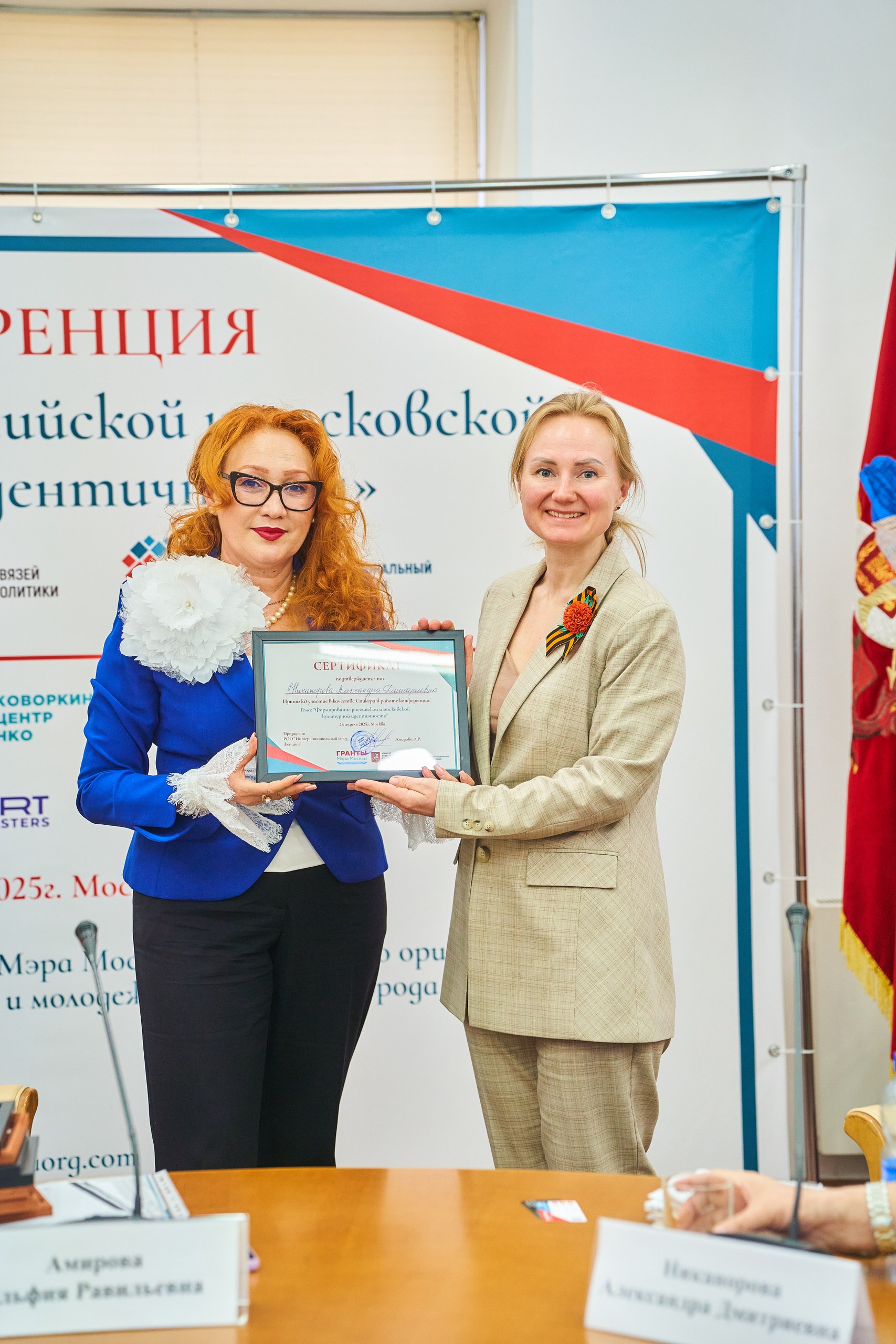
Full recording of the conference: “Formation of Russian and Moscow cultural identity” .
Organizer of the Conference “International Women’s Union”
Information partner Online publication “Embassy Life”
Follow the link for more photos. Mandatory conditions:
When using photos, YOU MUST specify the photographer’s details and the event.
https://anisimovp.ru/disk/28-04-iszh-konferentsiya-fotootchet-bk8vp7