
 Pattaya today is not just a popular tourist city. It is one of the largest informal centers of the Russian-speaking diaspora in Southeast Asia. Tens of thousands of families from Russia and post—Soviet countries have settled here for a long time: they run businesses, raise children, integrate into local society – while maintaining a deep connection with their homeland, its language and culture.
It is in this context that the issue of Russia’s cultural presence in the region acquires not only a humanitarian, but also a distinctly diplomatic dimension.

Diplomatic background: the moment was not chosen by chance
In early 2025, the Ministries of Culture of Russia and Thailand signed a bilateral cooperation agreement. From February to November, a large-scale program “Russian Seasons” is being implemented in Bangkok and Phuket: screenings of Russian cinema, ballet performances, and cultural exchanges at the state level.
This step is a signal. Russia is consistently strengthening its cultural presence in the countries of Southeast Asia, forming stable humanitarian ties where they are particularly in demand.
However, Pattaya, the city with the largest concentration of the Russian—speaking population in Thailand, remains outside this official contour for now.
This is where an initiative arises that deserves serious attention.

Project: Russian Cultural Center in Pattaya
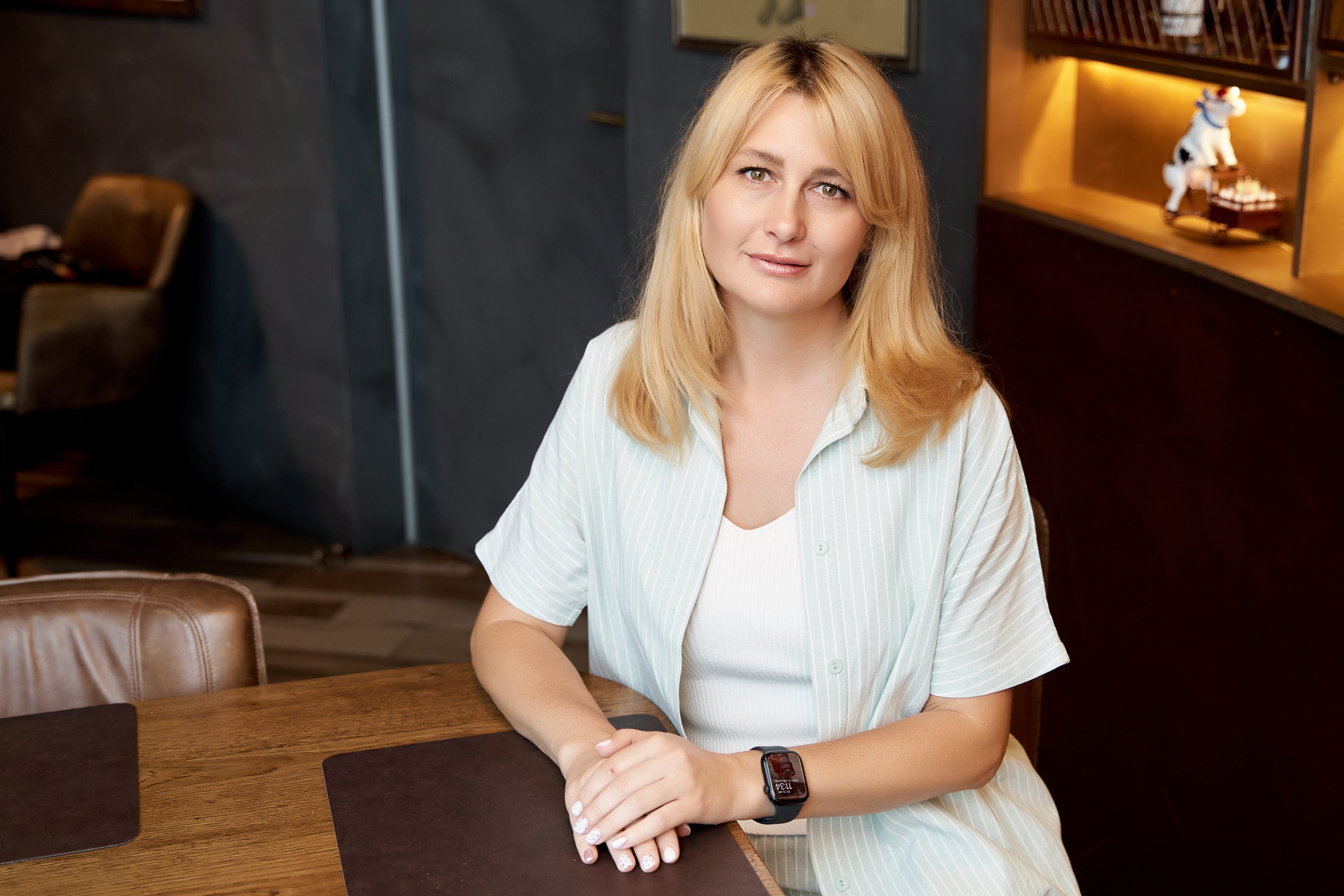
Tatiana Kulakova, an entrepreneur and public figure, is developing the concept of a Russian cultural center designed to become a full-fledged humanitarian infrastructure for the diaspora and a platform for cultural diplomacy in the region.
The project is not a private initiative in the narrow sense of the word. It is initially focused on partnership with government agencies such as the Russian World Foundation, Rossotrudnichestvo, as well as with relevant Thai institutions operating in the legal field of the host country.
The Center is designed as a systematic, rather than situational, response to the Diaspora’s request.

Areas of work
Language and educational direction.
Preservation of the Russian language as a living instrument, not an archival exhibit. Classes for children of different ages, conversation clubs, work with families where children study in international schools and gradually lose their native speech. A separate block is the support of bilingualism as a competitive advantage, not as an encumbrance.
Culture, history, traditions.
A full-fledged Russian cultural calendar: Maslenitsa, Christmas, Easter, Victory Day. Lectures and meetings dedicated to the history of Russia and its contribution to world culture. The format is lively, educational, designed for both compatriots and a wide international audience.
It is an instrument of soft power in the most precise sense: not a declaration, but daily cultural work.
Children’s, creative and sports programs.
Sections and clubs as an environment for fostering discipline, team spirit and cultural identity. Family format: children and parents participate together, the community is formed organically.
Social adaptation and support of compatriots.
Navigation for new arrivals: education, everyday life, legal issues. The formation of a stable community with common values is a prerequisite for healthy integration without loss of identity.

Importance for cultural diplomacy
The Russian Cultural Center in Pattaya is not only an infrastructure for the diaspora. This is the point of Russia’s presence in the region: a place where the image of the country is formed, its values are broadcast and historical memory is preserved.
In conditions of high competition of cultural narratives, the physical cultural presence acquires a special strategic importance. The Center can become a living answer to the question “What is Russia today?” for hundreds of families living far from their homeland and for thousands of foreign citizens who come into contact with Russian culture.

About the initiator of the project
- Tatiana Kulakova was born and raised in East Kazakhstan.
- At the age of 18 she moved to Novosibirsk
- Education — economics and management in the construction industry
- Career in construction — more than 20 years
- For more than 10 years, he has been Deputy director of a reinforced concrete plant.
- 2019 — founded the Galatea Dance and Sports School in Novosibirsk
- In 2025, she opened the second Galatea branch in Ulan-Ude.
- Deputy Head of the Committee on Value-based entrepreneurship of the All-Russian public organization of small and medium-sized enterprises “Support of Russia”
- Member of the regional public organization “INTERNATIONAL WOMEN’S UNION”
- Two children: son is 9 years old, daughter is 6 years old
Charity is an integral part of her life. As an entrepreneur and a person, she sincerely believes that success is measured not only by achievements, but also by how much good you have done for others.
“I know how to get results. Don’t stop at the idea level. To see structure where others see chaos,” says Tatiana.

Her biography proves that the project is in safe hands.
Pattaya is waiting for this center. The Diaspora has formed a request — specific, stable, and not closed for a long time. The diplomatic moment is favorable. The initiator is someone with real experience and a ready—made team.
The Russian Cultural Center in Pattaya is not just a humanitarian project. This is a contribution to Russia’s long-term presence in Southeast Asia. A contribution that starts with a specific address, specific children, and specific families.

On partnership and cooperation issues:
📞 +7 913 909 94 37 — Tatyana Kulakova
The opinions expressed in this information product belong to the author(s) and do not necessarily reflect the point of view of the editors of the online publication “Embassy Life”.