
On April 28, 2025, the conference “Formation of Russian and Moscow Cultural Identity” was held in Moscow with the support of. The event was dedicated to issues of cultural identity in a multipolar world (the project is being implemented with the support of Grants from the Mayor of Moscow for socially oriented NGOs of the Committee for Public Relations and Youth Policy of the City of Moscow).
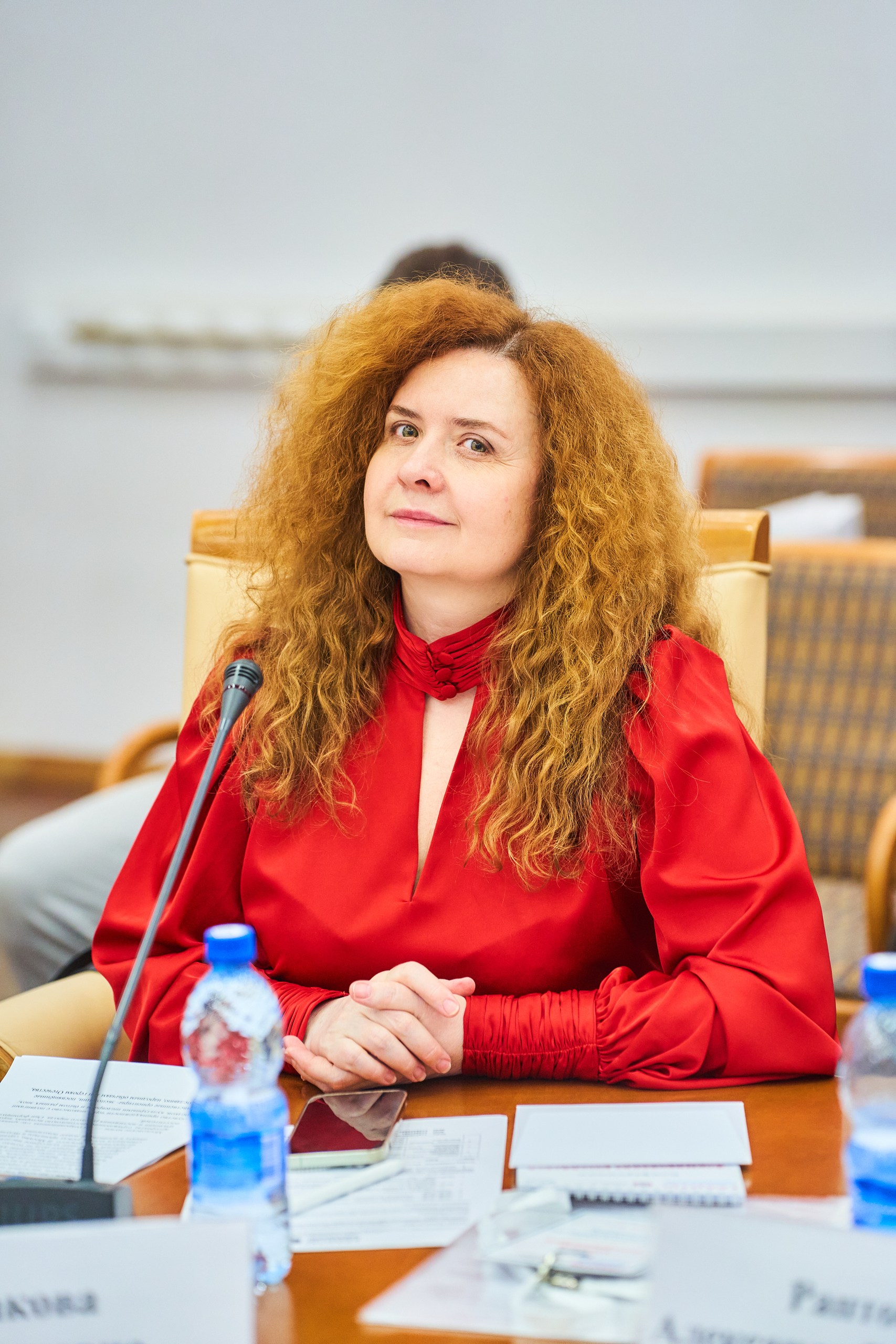
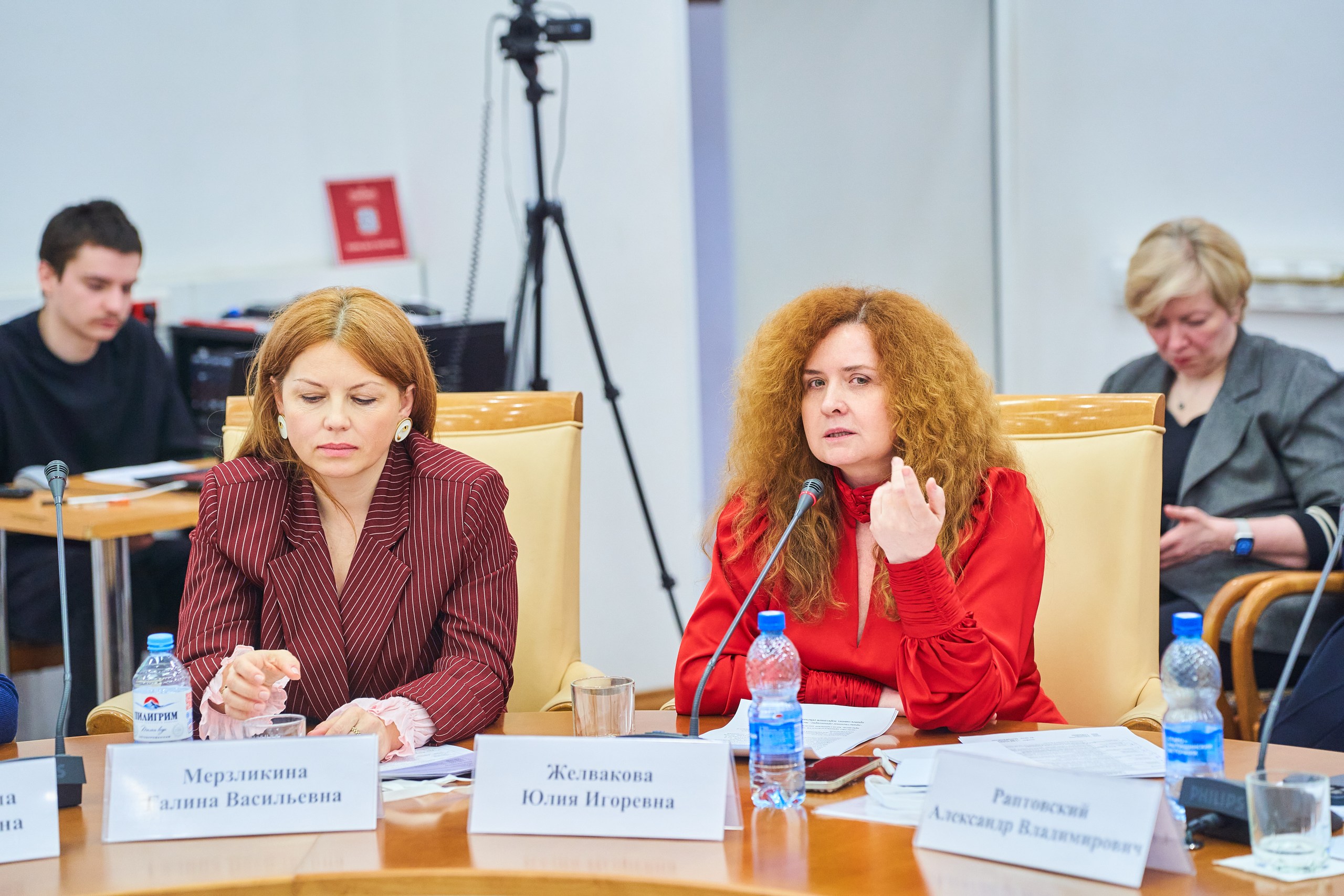 Yulia Igorevna Zhelvakova, entrepreneur, public figure, founder of cultural projects, took part in the Conference as an expert speaker. Yulia Igorevna highlighted the topic: “Moscow museums are keepers of spiritual and moral values.”
What is a museum?
A museum is an institution dedicated to collecting, preserving, and displaying cultural and historical heritage.
Museums are places where people meet with history and art, the heritage of our ancestors. They play an important role in preserving and transmitting what makes our culture unique and form a national identity based on spiritual and moral traditional values. It is important to note that in addition to the adult population, museums also take care of the younger generation by creating special programs for children. Thus, museums play the role of not only curators, but also teachers, making our cultural heritage accessible and interesting for everyone. In Moscow, the heart of Russia, museums are becoming a bridge between the past and the future, preserving memory and educating new generations.
Moscow museums are treasuries where artifacts reflecting the centuries—old history, faith, traditions and achievements of the Russian people are kept. They generate user feedback:
-a sense of belonging through familiarity with the exploits of ancestors, cultural masterpieces and everyday life of different eras;
-moral guidelines – expositions dedicated to Orthodoxy, folk customs or heroes of the Fatherland foster respect for goodness, justice and mercy;
-continuity of generations- programs for children and youth (quests, master classes, interactive excursions) make history alive and relevant.
Today, museums not only preserve their history, but also continue to develop. They are becoming more accessible thanks to modern technologies such as interactive exhibitions and virtual tours.
I would like to tell you a little about my experience working with Moscow museums in order to popularize them and attract more attention to them.
Our charitable Foundation for the Support of social and public projects and humanitarian initiatives, The Power of Rebirth, was established within the framework of cultural policy and guided by Vladimir Putin’s Decree of 25.01.2023. No 35.
The main mission of the Foundation is to raise the general level of culture of the country’s population.
To this end, we have launched a large-scale Federal project since the beginning of 2024. “Russian culture. Rebirth”.
This project is unique and one of a kind, as it is multimedia, multigenre and unites the participation of the Moscow State Museums in their desire to vividly present the pages of cultural history and covers all eight genres: architecture, literature, music, ballet, theater, painting, fashion and everyday life, cinema.
The project aims to revive the eternal values of Russian culture through a synthesis of classics and technology, to show how multifaceted and deep our culture is and how it has influenced the world as a whole.
The project also promotes museums in Moscow and Russia.
When we started working on the project and conducted an analysis, we noticed that people know little and are interested in culture, although culture is the foundation of the functioning of all systems of society, they visit museums little, because of the stereotype that museums are boring and uninteresting.
We wanted to make the museum a point of modern attraction, so that our children and young people would want to get there, study and see the masterpieces of art, learn more about the culture of their country and be proud of it.
How to attract attention and interest to museums, keepers of spiritual and moral values and traditions?
With the help of creative technologies.
The first season of our project is dedicated to the culture of Russia at the end of the 19th-early 20th century, which is rightfully called the Silver Age of Russian Culture. One of the areas we chose was exhibitions in thematic museums, whose collections contained artifacts from this period.
For the first time, the Silver Age was reinterpreted jointly by humans and the neural network, which created a unique experience for viewers and museums, and was the key to a new look at the art of that time.
AI created short films on each genre of culture, where he talked about the great geniuses of that era and interesting facts, for example, about the pioneer in the fashion world Lev Bakst, the great reformer Sergei Diaghilev, about the composer and his ballet Pyotr Ilyich Tchaikovsky, etc.
And the museum expositions combined the past and the future in the form of art objects, which provided unique opportunities to demonstrate the spirit, style and scope of the era.
Also, as part of the project, we began to conduct immersive performances in museums based on the works of Russian classics.
Following the characters of a particular performance in the walls of museums, the audience immersed themselves more in the history of the era and studied it through emotions. Also, thanks to the guided tour woven into the performance, which was perceived vividly, modernly and not boring, gave new knowledge, the story became closer.
We were supported by the partner “Museum Code”, a modern media project for working with the internal museum space, whose mission is to preserve and promote the historical, cultural and spiritual heritage of Russia.
Using the latest technologies, the scientific competencies of the team, and the experience of working with artificial intelligence, the project combines existing data into a digital product, integrates it into a network, and transfers the familiar museum space into virtual reality.
With the help of 3D tours, the viewer easily and quickly makes movements inside the museum space (using VR and AR technologies).
The created digital products are actively used by the partner museums of the project on their information resources.
All this attracts the attention of our citizens and their children to the museum exhibitions.
We are currently digitizing the estate of Leo Tolstoy after reconstruction. Each room is being photographed, as well as archival items that are in the museum’s collection and are not on display, but can be added to the virtual tour. The entire digitized tour is donated to the museum and on the website, people from every corner of the world can visit the beautiful estate.
But along with the legacy our ancestors left us, time does not stand still, and today we must discover new names, new forms, and genres that will also glorify today’s Russia and remain with our children, grandchildren, and great-grandchildren, and they will explore our time with interest and trepidation. Therefore, more and more new museums are being opened today, and expositions of existing museums are being expanded due to the reconstruction and construction of new buildings.
For example, the Garage and MMOMA museums support young artists whose work reflects modern moral challenges.
The expansion of spaces and the reconstruction of the Pushkin Museum and the opening of the Hermitage branch in Zaryadye demonstrate how classics are combined with innovations.
This is the continuity of generations, the connection between the past, present and future.,
which is certainly passed down from generation to generation, like the genetic code, and will also be reflected in museums.
Today, when the world is rapidly changing, museums remain a bulwark of national identity, reminding us that in order to move forward, we need to remember who we are and where we come from.
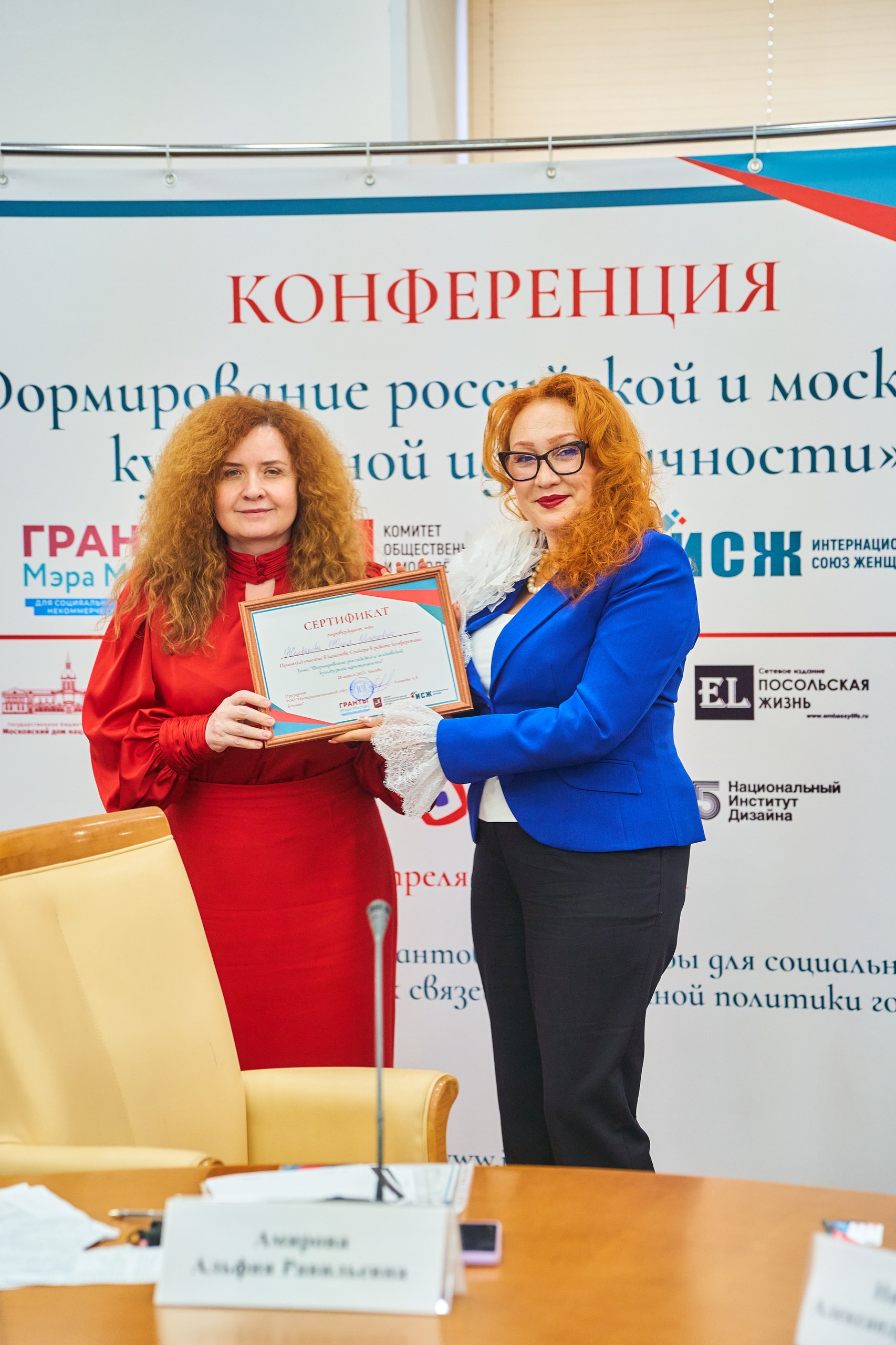 Full recording of the conference: “Formation of Russian and Moscow cultural identity” .
Organizer of the Conference “International Women’s Union”
Information partner Online publication “Embassy Life”
Follow the link for more photos. Mandatory conditions:
When using photos, YOU MUST specify the photographer’s details and the event.
https://anisimovp.ru/disk/28-04-iszh-konferentsiya-fotootchet-bk8vp7