

On February 21, 2025, the Moscow House of Nationalities hosted a landmark meeting of the international discussion club “VISION 3000”, dedicated to the topic “Information support for the implementation of the state policy of the Russian Federation” with the support of the Moscow Government (Department of National Policy and Interregional Relations of the City of Moscow, GBU “Moscow House of Nationalities”) at the Moscow House of Nationalities. The event brought together experts from the fields of media, diplomacy, science, culture and public administration to discuss how digital technologies and communications can preserve Russia’s cultural diversity and strengthen its position in the global information space.
The agenda of the meeting “Information support for the implementation of the state policy of the Russian Federation” was considered in the context of preserving the cultural diversity and traditions of the peoples of Russia.

Key discussion topics
Within the framework of the agenda blocks, the participants raised pressing issues:
- Digitalization vs cultural identity: How do technologies help preserve the languages, traditions and historical memory of the peoples of Russia?
- Fighting fakes: What tools are effective against disinformation and manipulation in the media space?
- International context: How to promote the Russian agenda in the face of information pressure?
- National Health: Why are healthy lifestyle promotion and education becoming part of the state strategy?
The meeting analyzed the role of information technologies, digital platforms and communication strategies in protecting, popularizing and broadcasting cultural heritage as a key element of government policy.

Highlights of the event

Opened the meeting Alfiya Amirova, President of the International Discussion Club “VISION 3000” and President of the International Women’s Union. She presented the organization’s projects, including the International Photo Contest “Mom and Children in National Costumes”, the video of which became an emotional start to the discussion.
Dear colleagues, members and guests of our club!
Today I want to touch on the key aspects that will help us preserve Russia’s cultural wealth in the digital age.
Digital integration of ethno-cultural values
“We must actively create online educational resources that provide access to the traditions, languages and history of all the peoples of our country. Digital platforms are not just technologies, they are a tool that will allow us to preserve our diversity even in the context of globalization. Imagine: a child from any corner of Russia will be able to study the epic of his people through interactive courses or virtual museums.”
Protection of cultural identity
“But digitalization also carries risks. Fakes, commercialization of heritage, blurring of borders — all this threatens our identity. This requires a clear legal framework and joint work by the state, the media and NGOs. We must protect the historical truth in the same way that we protect borders — systematically and collectively.”
Support for regions and youth
“Our task is to give the regions a voice. Information systems should become a bridge for local initiatives and interethnic dialogue. And in order to involve young people, let’s use what is close to them: gamification, TikTok projects about traditions, streams with ethnobloggers. Let the study of culture become not a duty, but a fashion trend.”
Civic identity through digitalization
“Information support of state policy is the foundation of the unity of society. When we convert heritage into numbers, we don’t just archive the past — we make it part of modernity. This is our armor against global challenges.”In conclusion:
“By preserving culture in numbers, we preserve the soul of Russia. Our task is to make traditions not a memory of the past, but a living code of the future. Thank you for your attention!”
The speakers highlighted the main trends:

- Natalia Chernyshova, Secretary of the Union of Journalists of Russia, Chairman of the Union of Journalists of the Moscow region, shared her experience and made suggestions on information support solutions.

Фото: ГБУ “Московский дом национальностей” - Kamila Gamzatova, General Director of GBU RD “RGVC Dagestan named after Harun Kurbanov” made a welcoming speech, spoke about the ongoing programs in this area and noted:”Popularizing culture through people’s stories makes it alive and close.”

Фото: ГБУ “Московский дом национальностей” - Vera Kovalenko, Adviser to the Commissioner for Human Rights in the Russian Federation, Doctor of Law, spoke about the activities of the Commissioner for Human Rights in the Russian Federation and the office of the Commissioner in the field of information support and legal education of citizens in the field of protection of citizens’ rights and freedoms. She noted that “Information support for citizens’ rights in the context of digitalization of society and modern challenges is not only a technological tool, but also a soft power that translates our values to the world.”

Фото: ГБУ “Московский дом национальностей” - Camille Landa, Doctor of Political Sciences, emphasized: “The role of information and communication technologies and mass media in the settlement of interethnic relations.”

Фото: ГБУ “Московский дом национальностей” - Ekaterina Velichkina, a media blogger with an audience of 2 million, stated: “Information and communication technologies and mass media in the settlement of interethnic relations can become a bridge between generations.”

Фото: ГБУ “Московский дом национальностей” - Diana Sultanova, founder and ideologist of the Cultural Support Association, cultural and public figure, and influencer of Russian values, revealed the topic: “How modern media and the blogosphere can contribute to the preservation and popularization of Russian culture and true values in Russia and the world.”

Фото: ГБУ “Московский дом национальностей” - Oksana Ganzha, speech technologist, radio presenter, member of the CIS Speakers Association, lecturer at the Russian Znanie Society, popularizer of anti-stress tapping, shared: “Communication and information strategies affect the preservation of Russia’s cultural diversity as a principle of mutual respect and emotional balance.”

Фото: ГБУ “Московский дом национальностей” - Tatyana Vorontsova, founder of the AXIDI group of companies, a mother with many children, told: “On the protection of the information policy of our state through social networks”

Фото: ГБУ “Московский дом национальностей” - Olga Nathan, head of the wellness center. Founder of the Academy of Health and Success. The Candidate of Medical Sciences said: “Information education is important for the preservation of everyone’s health.”

Фото: ГБУ “Московский дом национальностей” - Bibigul Kushalieva, a neuroscientist, warned: “Digital dementia is a reality. We need strategies that protect the brain from being overloaded with junk information.”

Фото: ГБУ “Московский дом национальностей” - Ekaterina Guseva, integrative nutritionist with a world record and a Russian record, member of the Association of integrative specialists of NAIS, founder of the organic brand of healthy nutrition your green cafe, winner of the federal award in the field of healthy lifestyle live organic awards. She noted: “It is very important to promote healthy nutrition and lifestyle in the digital space.”
The cases of the regions caused a special resonance. Kamila Gamzatova (GBU RD Dagestan) presented the project of the RGVC Dagestan for the year of Defender of the Fatherland with a video demonstration. The idea and authorship belong to Izafet Ezberova.
The meeting was attended by Distinguished guests:
- Igor Lutsiv, Head of the Department for Interaction with Federal Government Authorities of the Sevastopol Government Office in Moscow, Office of the Governor and the Government of Sevastopol.
- Stanislav Istomin, Head of the Department of Information Policy and Programs in the field of Sports and Youth Policy
Representative offices of the Government of the Tyumen Region in the state authorities of the Russian Federation. - Galina Preminina, Deputy Chairman of the NGO Karelian Community in Moscow

Networking and results
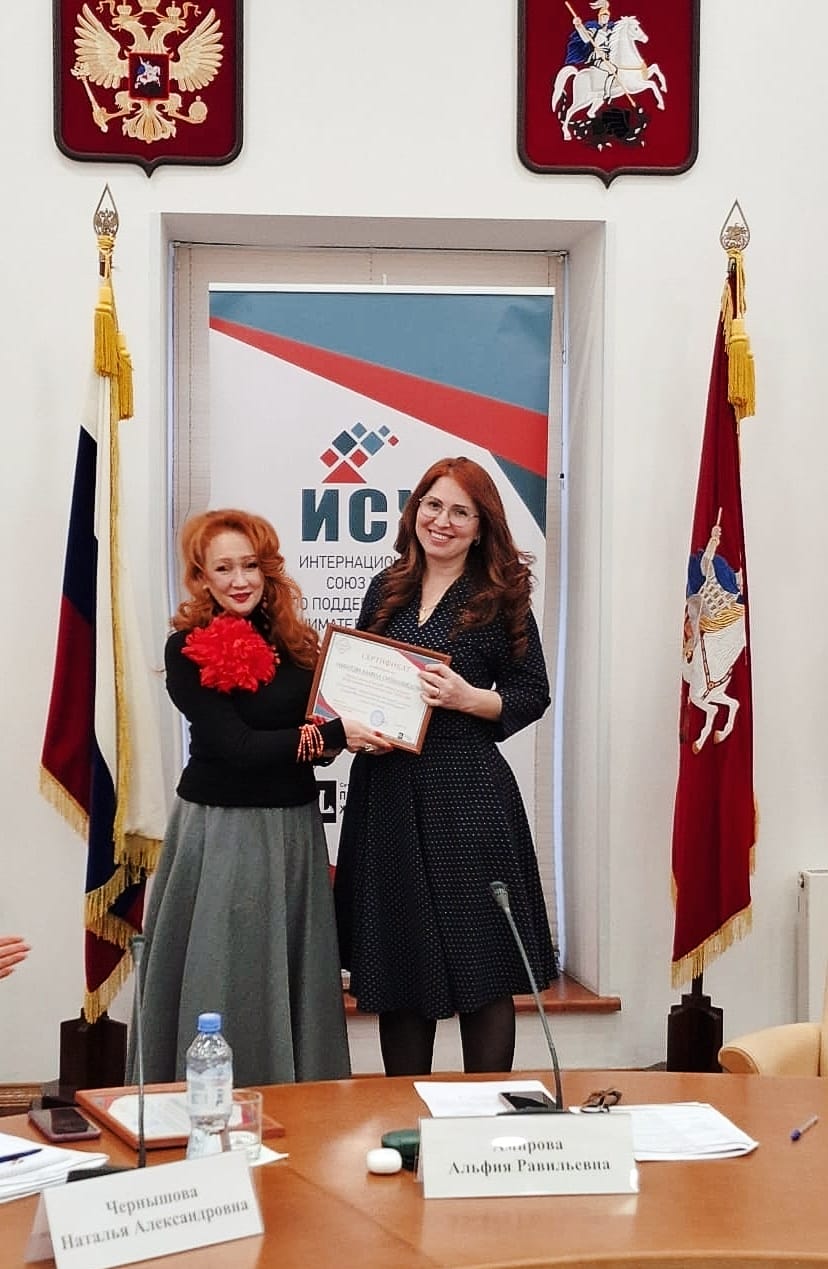
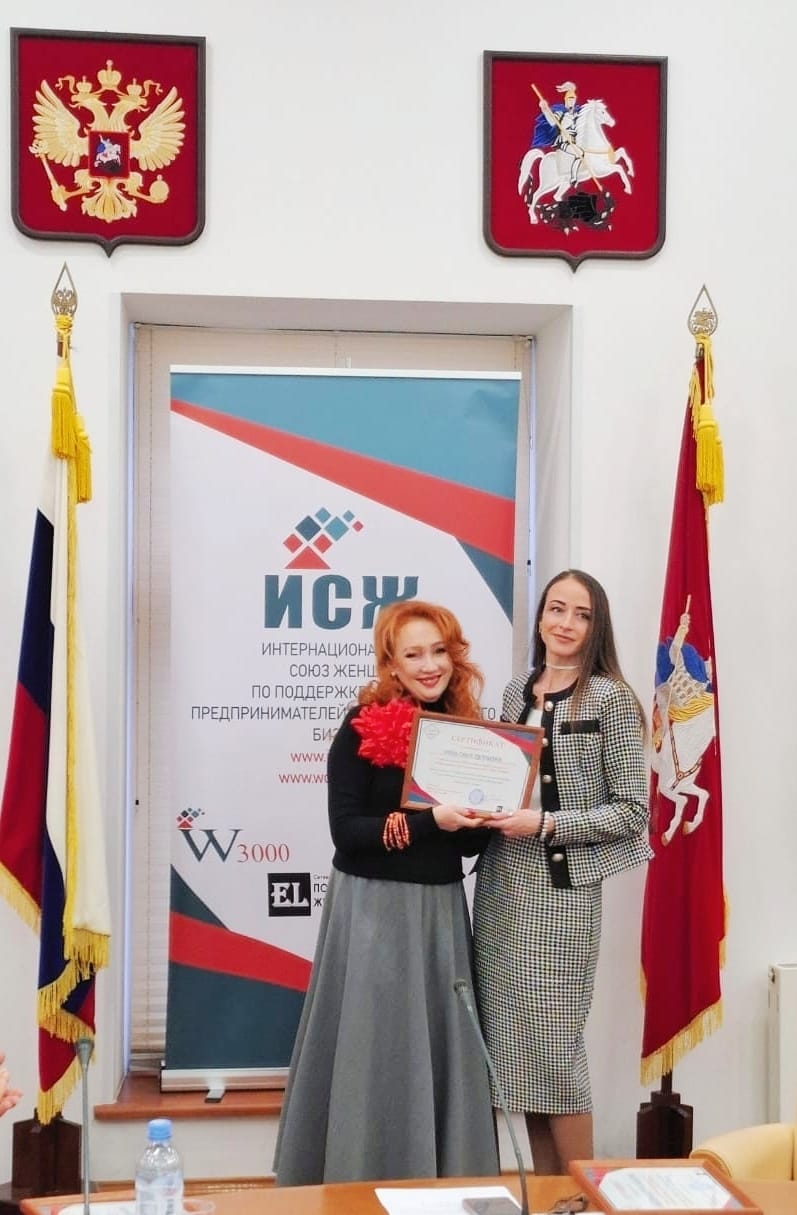
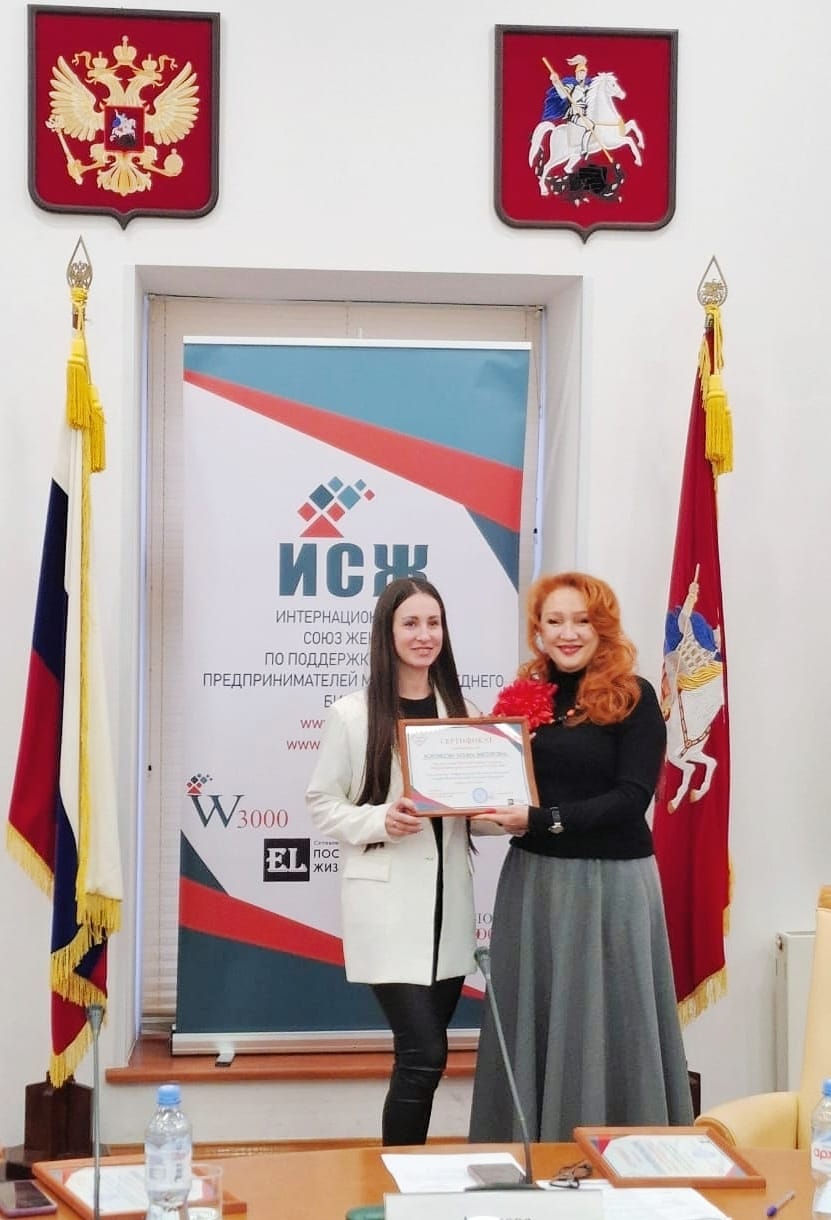
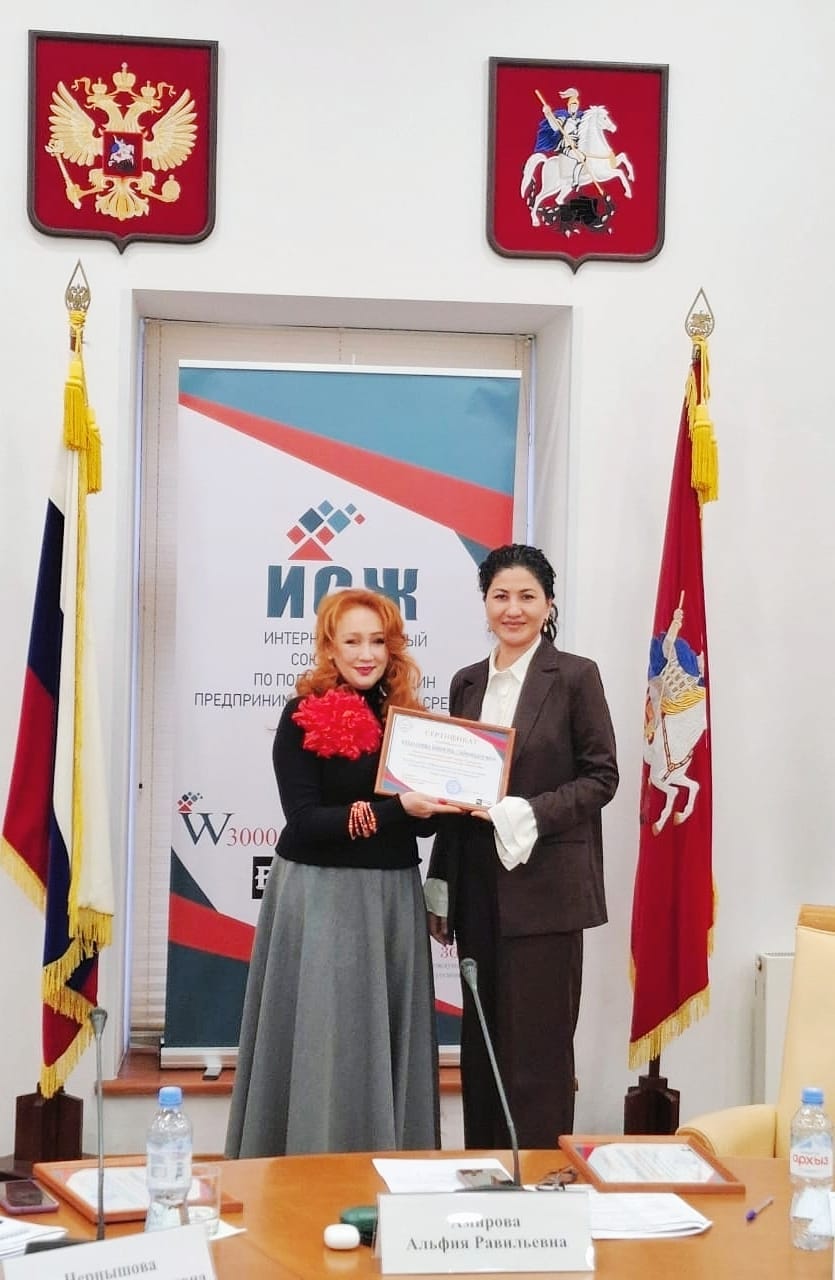
In the second part of the event, the participants exchanged contacts, discussed joint projects, and the speakers received commemorative certificates.

The main conclusion of the discussion:
A symbiosis of technology, legislation, and public dialogue is needed to create a sustainable information support system. The key steps are to support regional media initiatives, foster digital literacy among citizens, and make decisions at the legislative level.
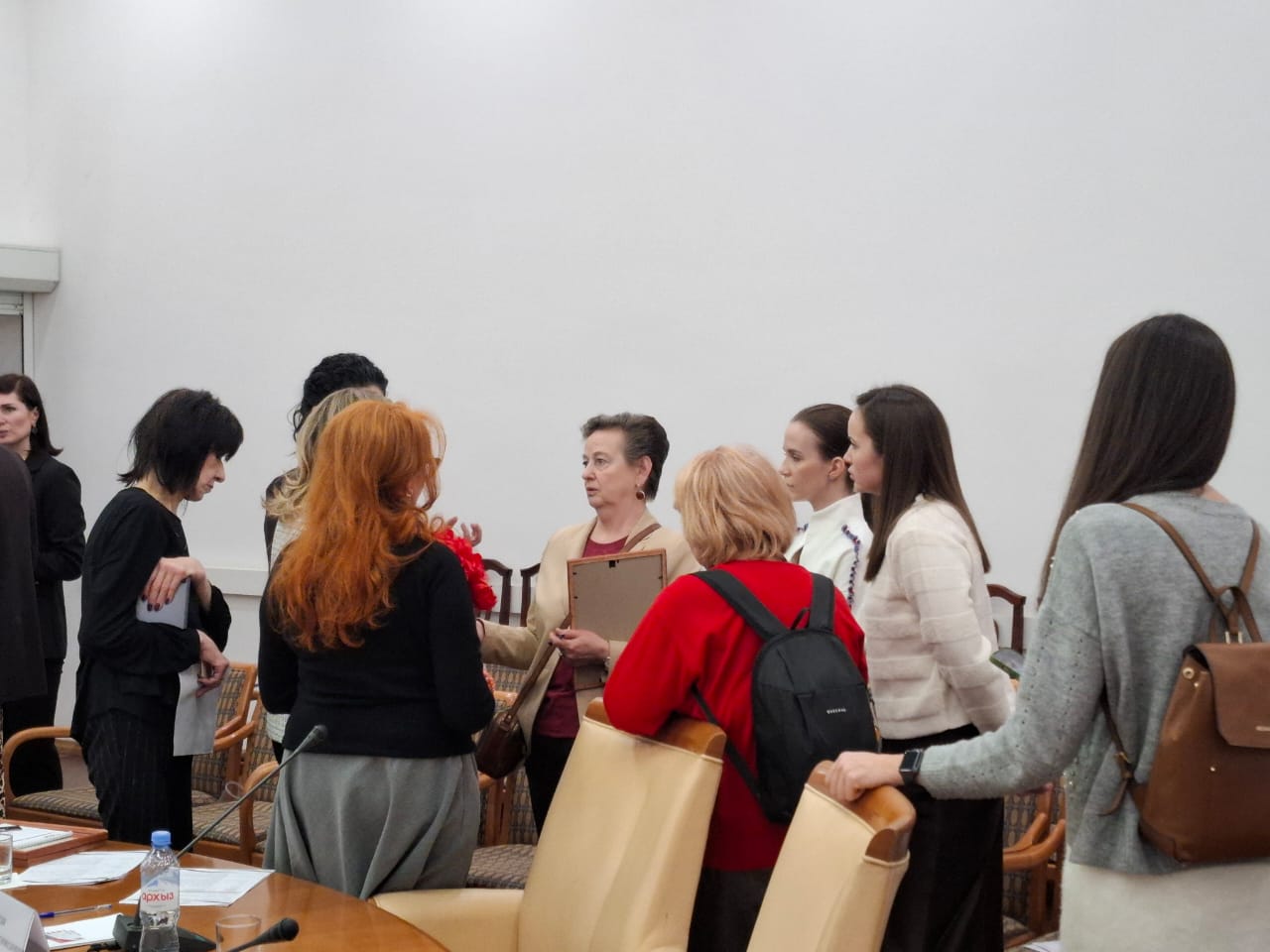
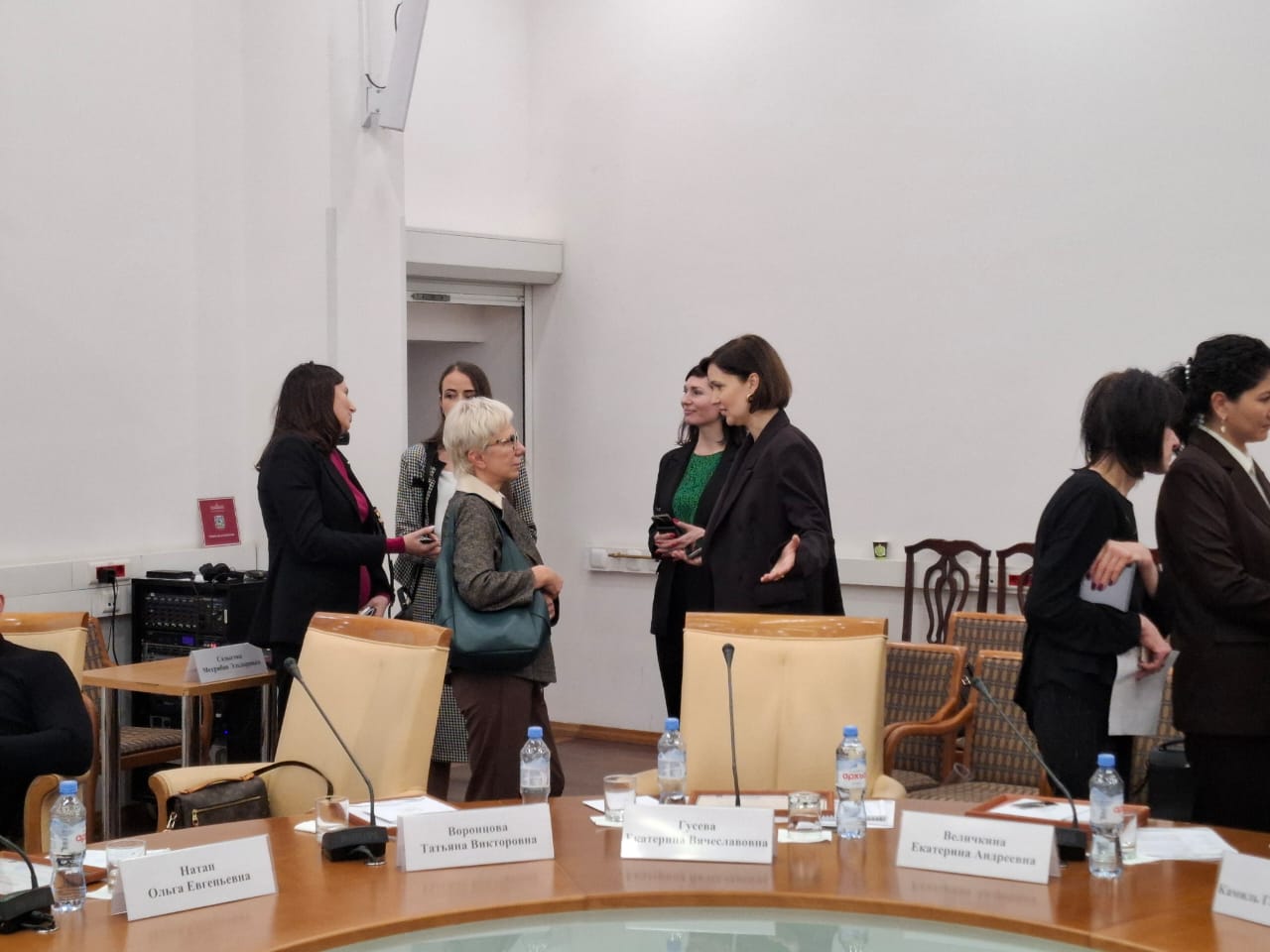
In conclusion, certificates were presented by the speaker of the meeting.
The materials of the meeting are available at:
- Website of the VISION 3000 club: https://vision3000.ru/
- Online publication “Embassy Life”: https://embassylife.ru/
- International Women’s Union website: https://www.iwuorg.com/
We would like to thank GBU “Moscow House of Nationalities” for their help in organizing the meeting of the International Discussion Club “VISION 3000” and providing the photographic material.
More photos on the link https://vk.com/album-211188669_306558343
Information about the club:
The International Discussion Club “VISION 3000” is an open platform for the exchange of experience and discussion of issues related to the promotion of Russian and international intellectual dialogue and independent, objective examination of economic, cultural and social projects, bringing together like—minded people whose activities are aimed at dialogue and openness…..https://vision3000.ru/?page_id=7
#VISION3000 #Cultural Legacy #Digital Diplomacy #Information Security
P.S. Thank you to all the participants for the depth of the discussion! Your ideas will become the basis for new projects that strengthen the unity of Russia in the digital age.