
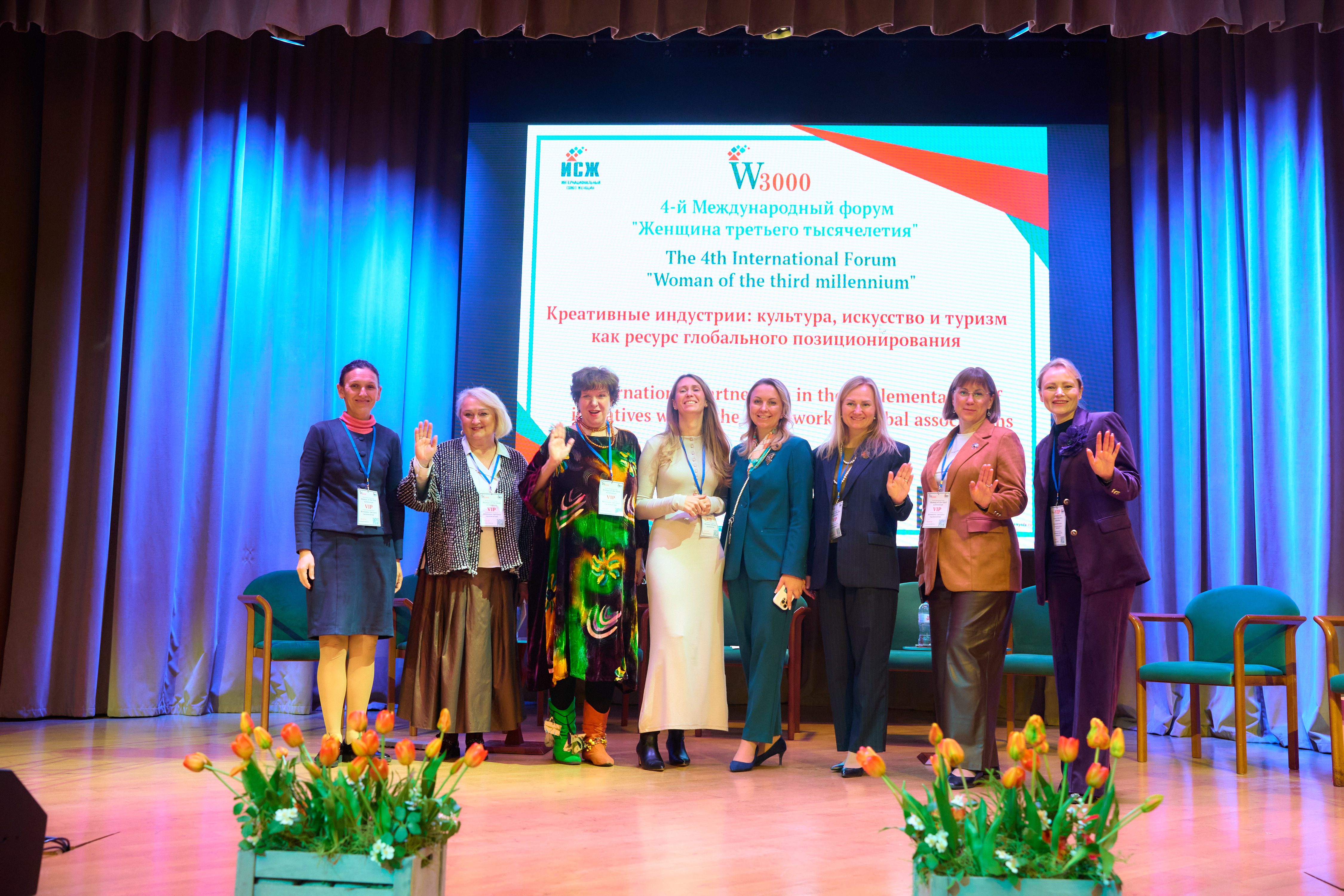
Within the framework of the IV International Forum “Woman of the Third Millennium”, a meaningful discussion was held on the topic “Creative industries: culture, art and tourism as a resource for global positioning”. The session was moderated by Natalia Viktorovna Zabolotskikh, Program Director of the First World Public Assembly, President of the Eurasian Center for Project Initiatives, Head of the Communication Service of the BRICS International Municipal Forum.
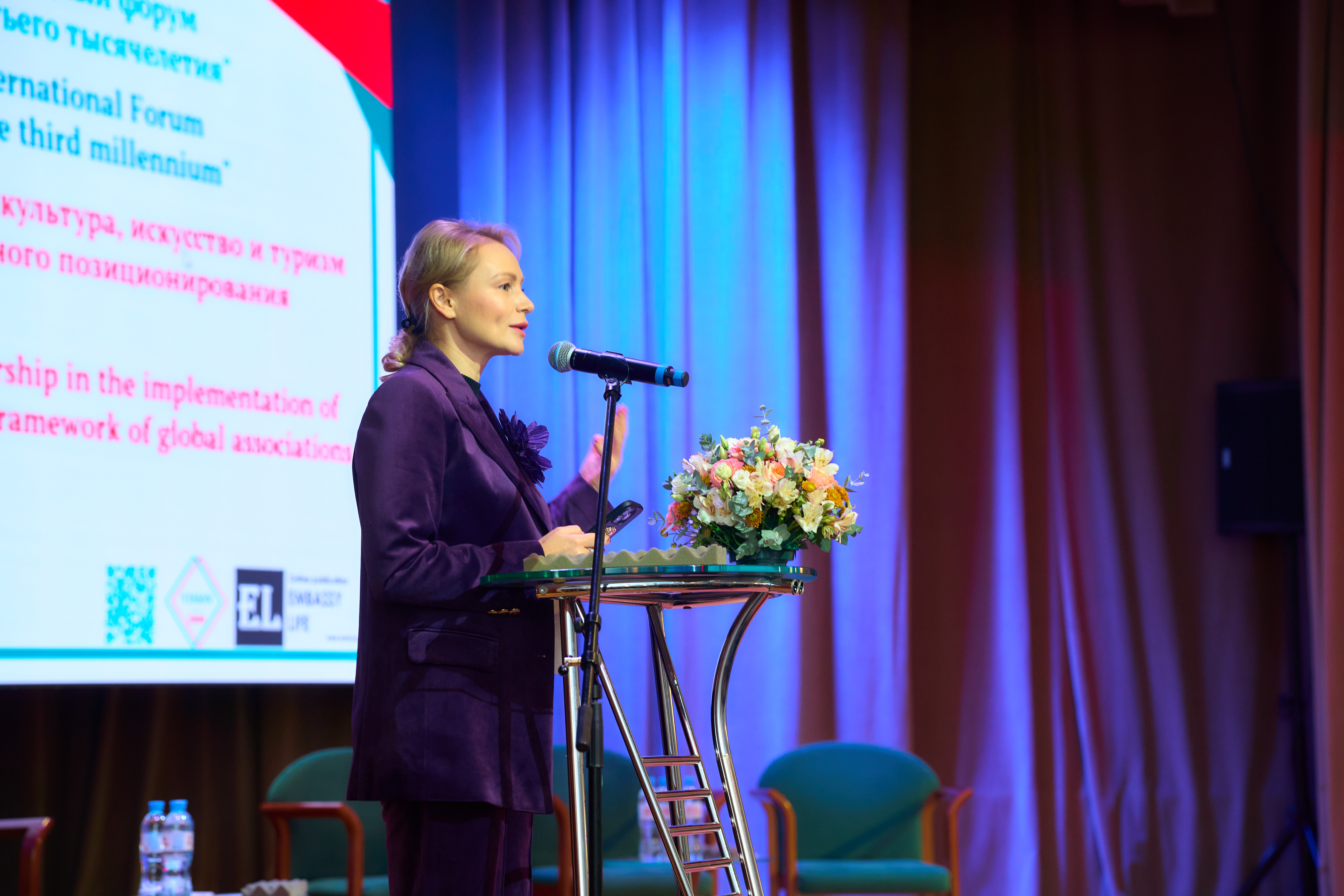
In her opening remarks, Natalia Zabolotskikh noted the strategic importance of creative industries for shaping Russia’s international image and stressed the need to consolidate the efforts of the state, business and cultural institutions to achieve global success.
State Duma Deputy Victoria Sergeevna Rodina, in her video message, focused on the legislative aspects of supporting creative industries. She highlighted in detail the measures of state support aimed at the development of cultural projects and the tourism industry, and also shared her vision of integrating the creative economy into the national development strategy.
A striking example of the successful transformation of sports achievements into cultural projects was the performance of Maria Alexandrovna Kiselyova, a three-time Olympic champion in synchronized swimming, a deputy of the Moscow City Duma. She spoke about the unique experience of creating and developing the Russian Theater on the Water, emphasizing that personal history and recognition can become a powerful resource for promoting cultural products on the international stage.
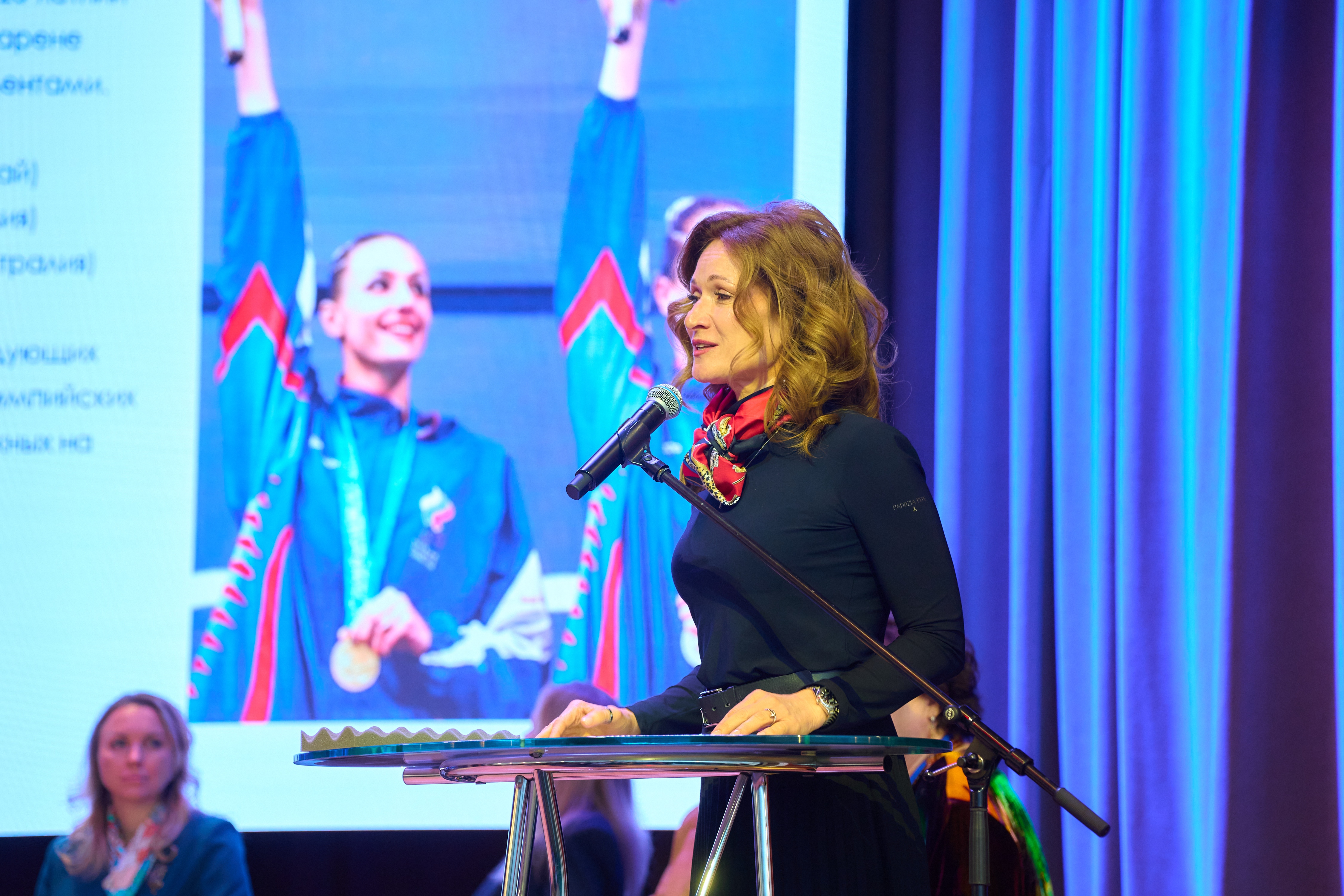
Svetlana Valentinovna Kolodyazhnaya-Sheremetyeva, representative of the Republic of Crimea, presented an integrated approach to promoting the peninsula’s tourism potential. In her speech, she revealed the strategy of positioning Crimea as a unique cultural and tourist destination, combining a rich historical heritage and modern tourist services.
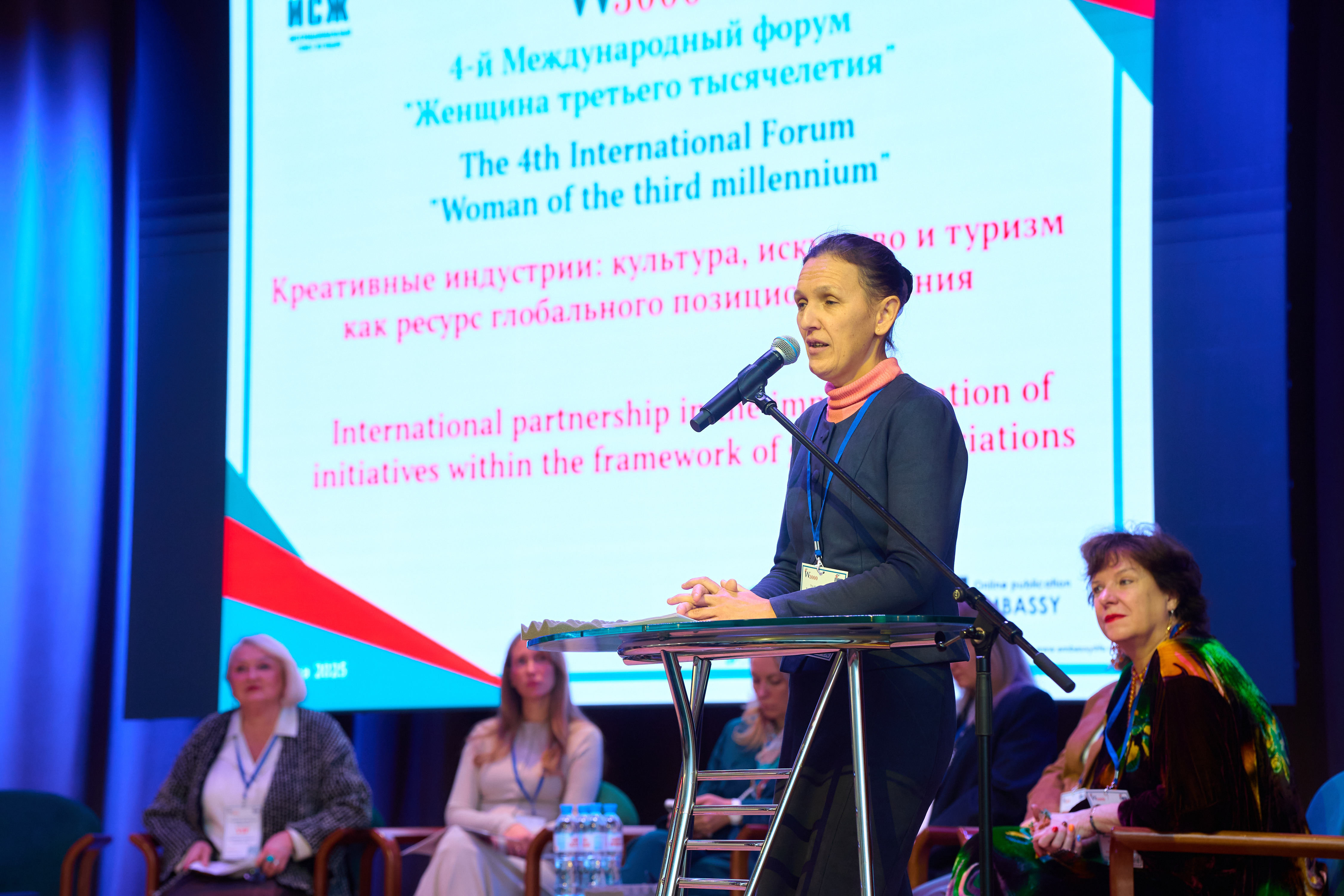
Svetlana Vasilyevna Lavretsova, Director of the St. Petersburg Bryantsev Theater for Young Spectators, shared her innovative approach to the development of the theater as a multifunctional cultural center. She spoke in detail about educational programs for children and youth, as well as international projects that promote Russian theatrical art abroad.
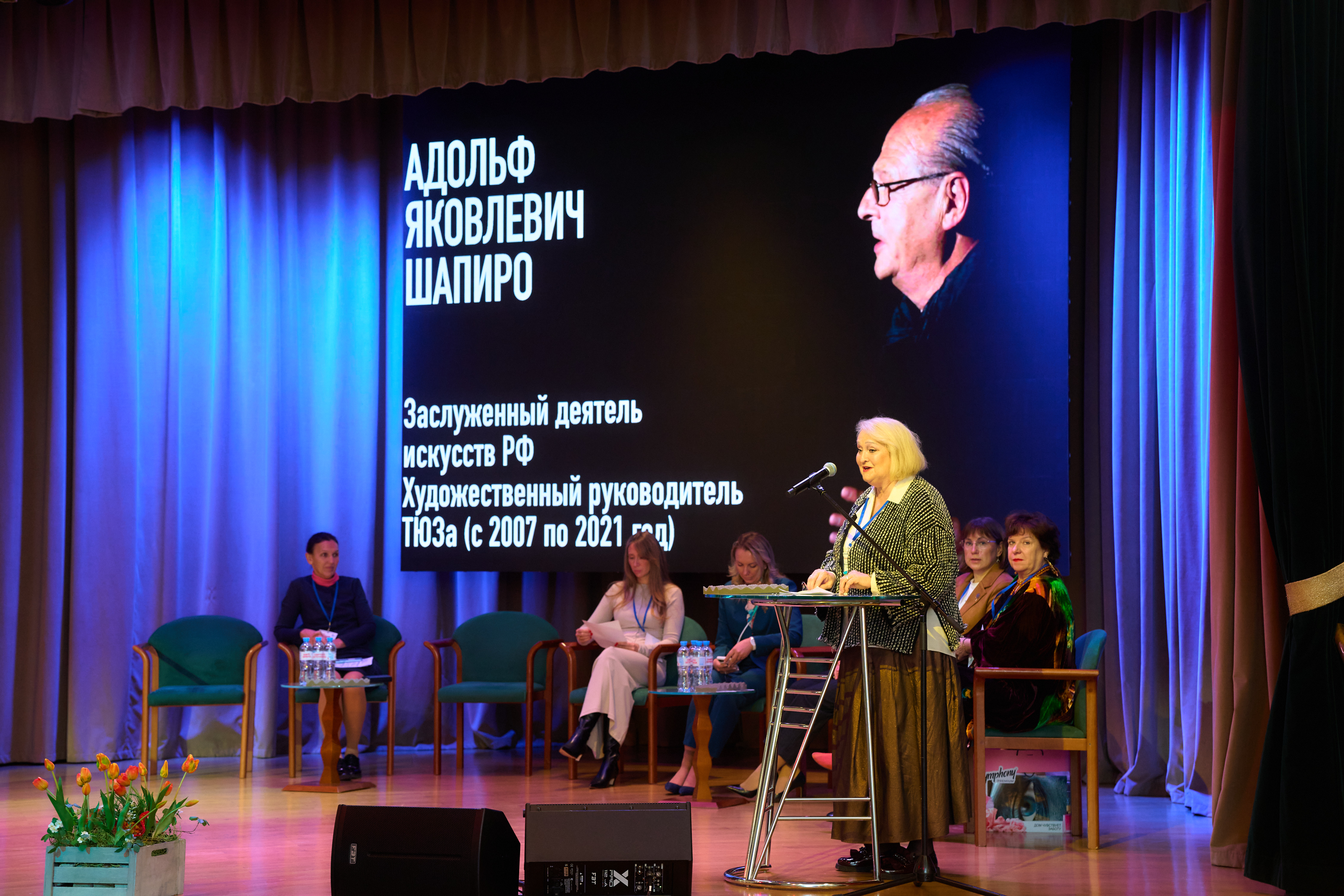
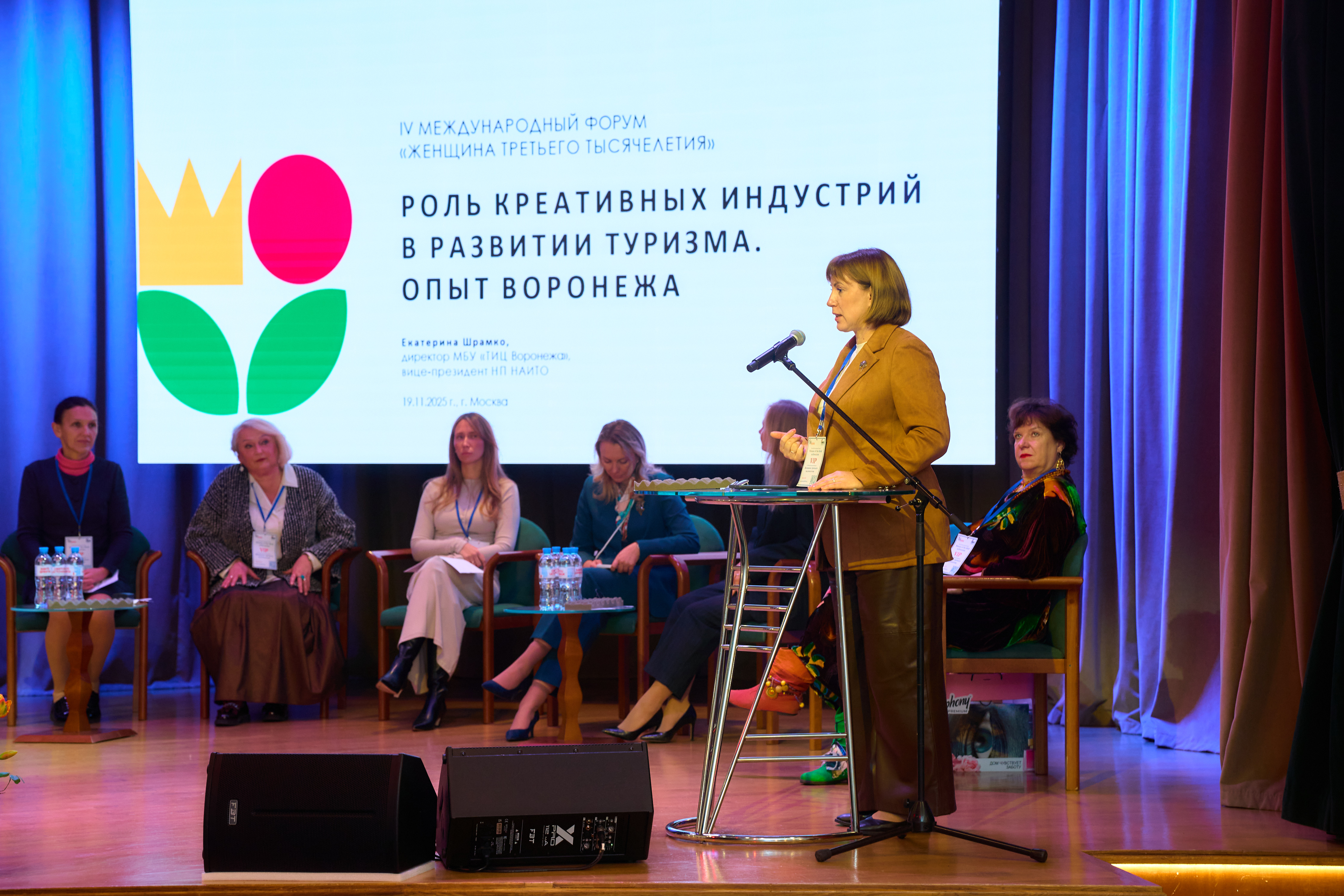
Practical aspects of the development of regional tourism were revealed in the speech of Ekaterina Andreevna Shramko, Director of the Voronezh Tourist Information Center. She presented successful cases of creating immersive tourist routes and shared her experience of integrating historical heritage into modern travel products.
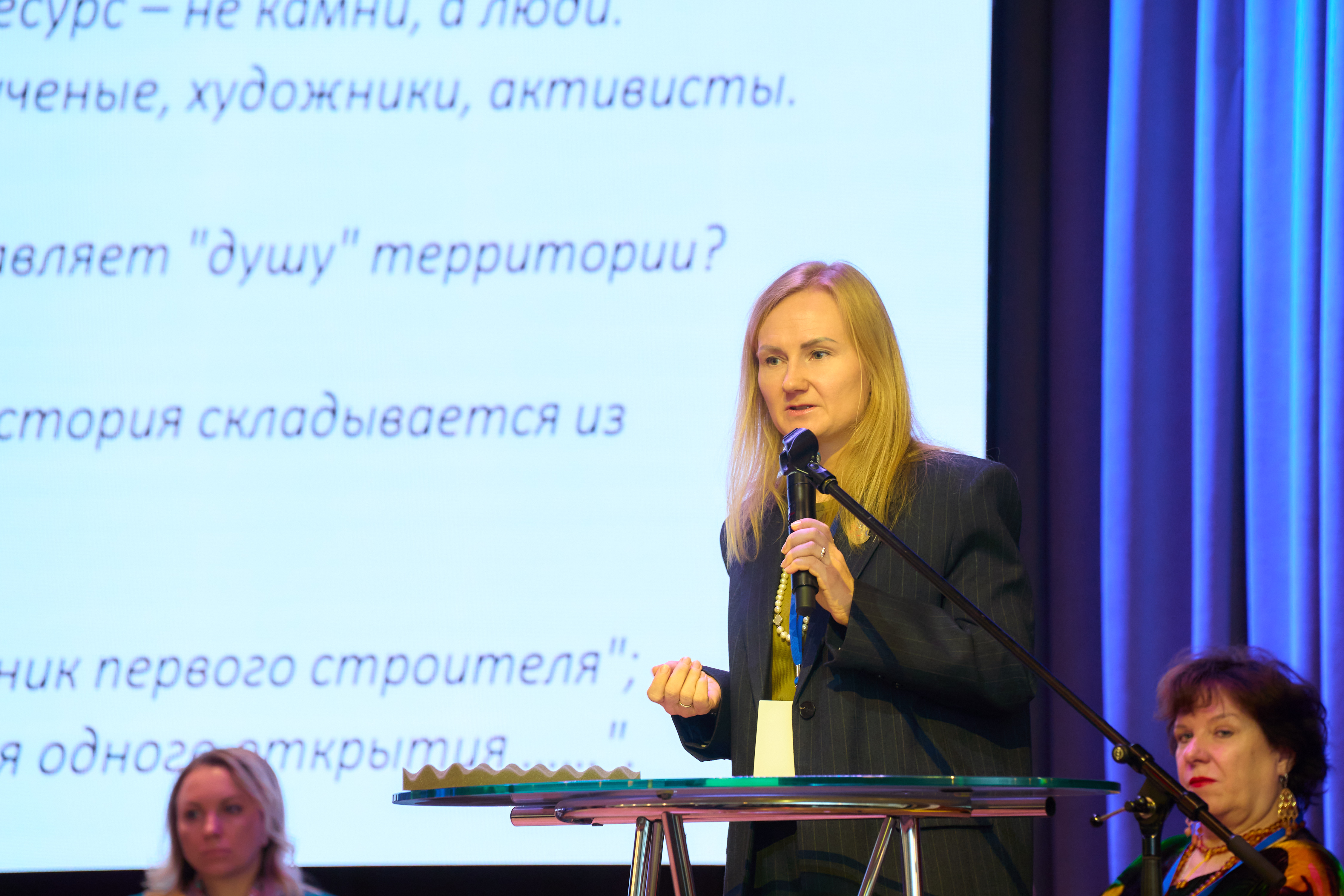
Alexandra Dmitrievna Nikanorova, Chairman of the Community of Russian Diplomats’ Wives and Associate Professor at Moscow State University, emphasized the academic aspects of global positioning in her speech. She presented scientifically based methods for the formation of territorial brands and emphasized the importance of synergy between the academic community and practitioners in the field of tourism and culture.
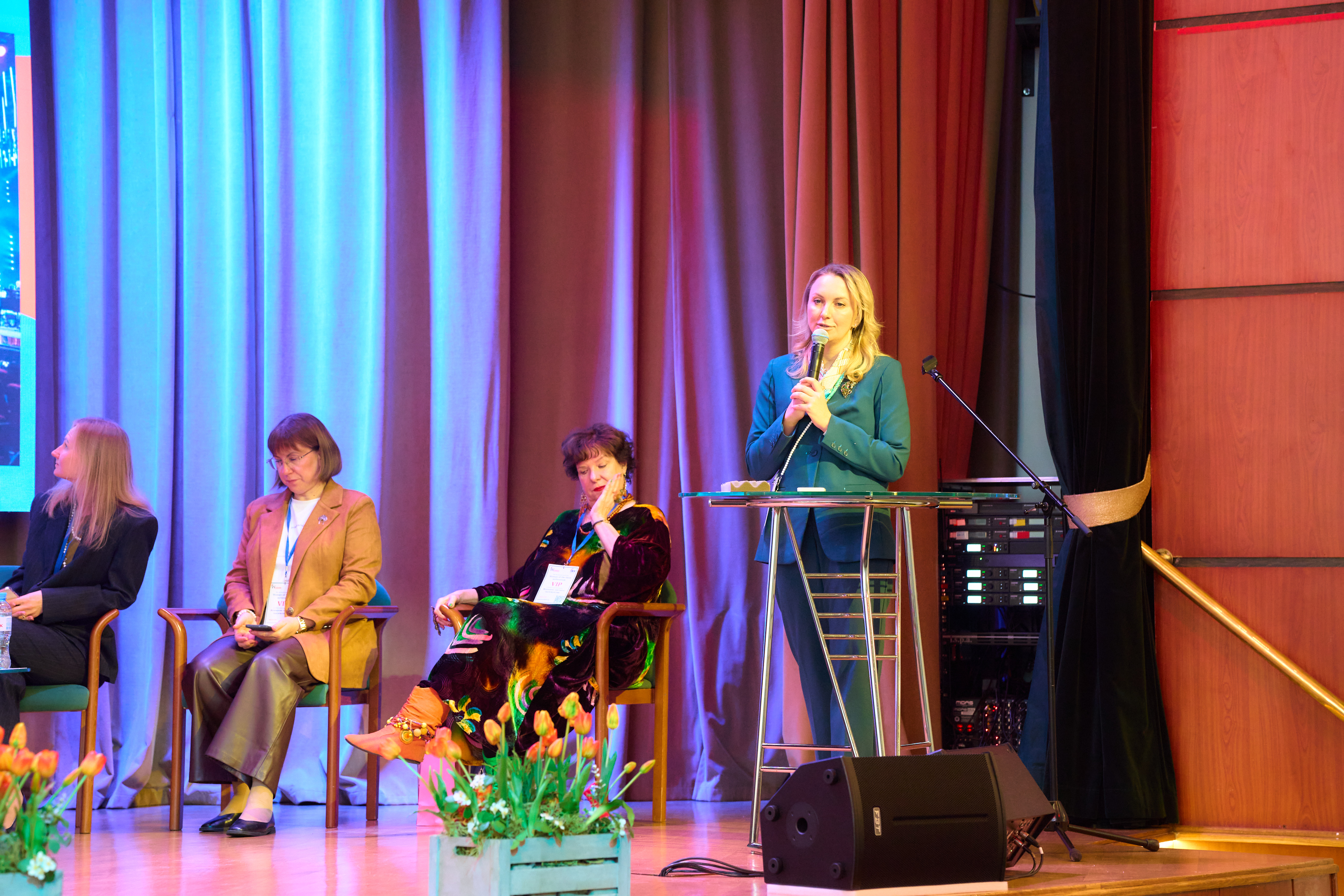
Anastasia Andreevna Nastasina, an expert on cross-cultural communications, shared practical tools for overcoming cultural barriers when entering international markets. Using the example of the UMMA project, she demonstrated how an effective communication strategy can contribute to the successful positioning of cultural products in different countries.
Successful business experience was presented by Diana Dmitrievna Yarullina, co-founder of cosmetics brands aya and tatatcha. She explained how traditions and national aesthetics can become the basis for creating products that gain international recognition, and shared her strategy for entering global markets.
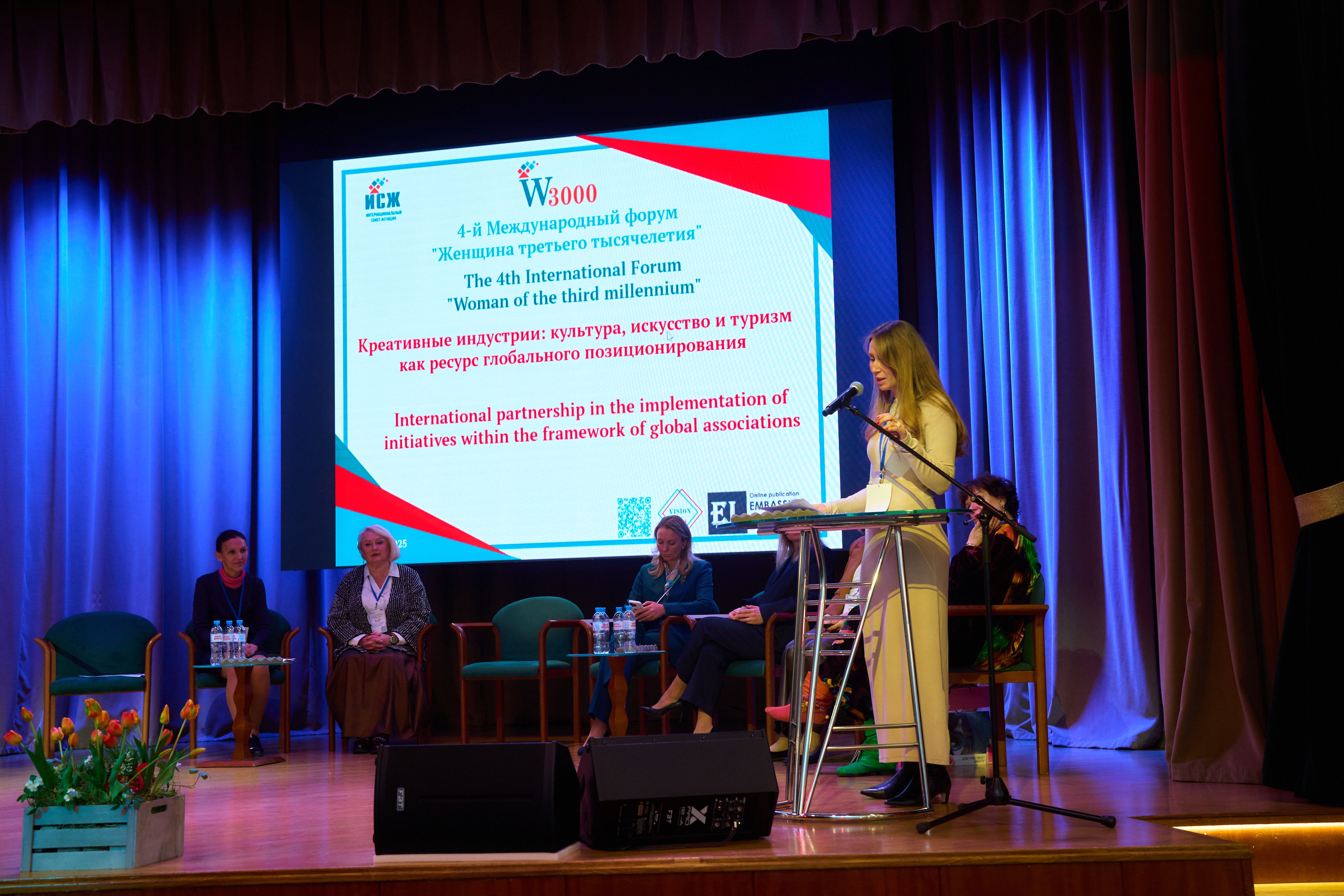
Irina Alekseevna Chumachenko, General Director of the CINERJI advertising and production company, completed the panel of speeches, presenting a comprehensive view on the promotion of cultural projects. She stressed the importance of integrating traditional and digital communication channels to effectively position creative products.
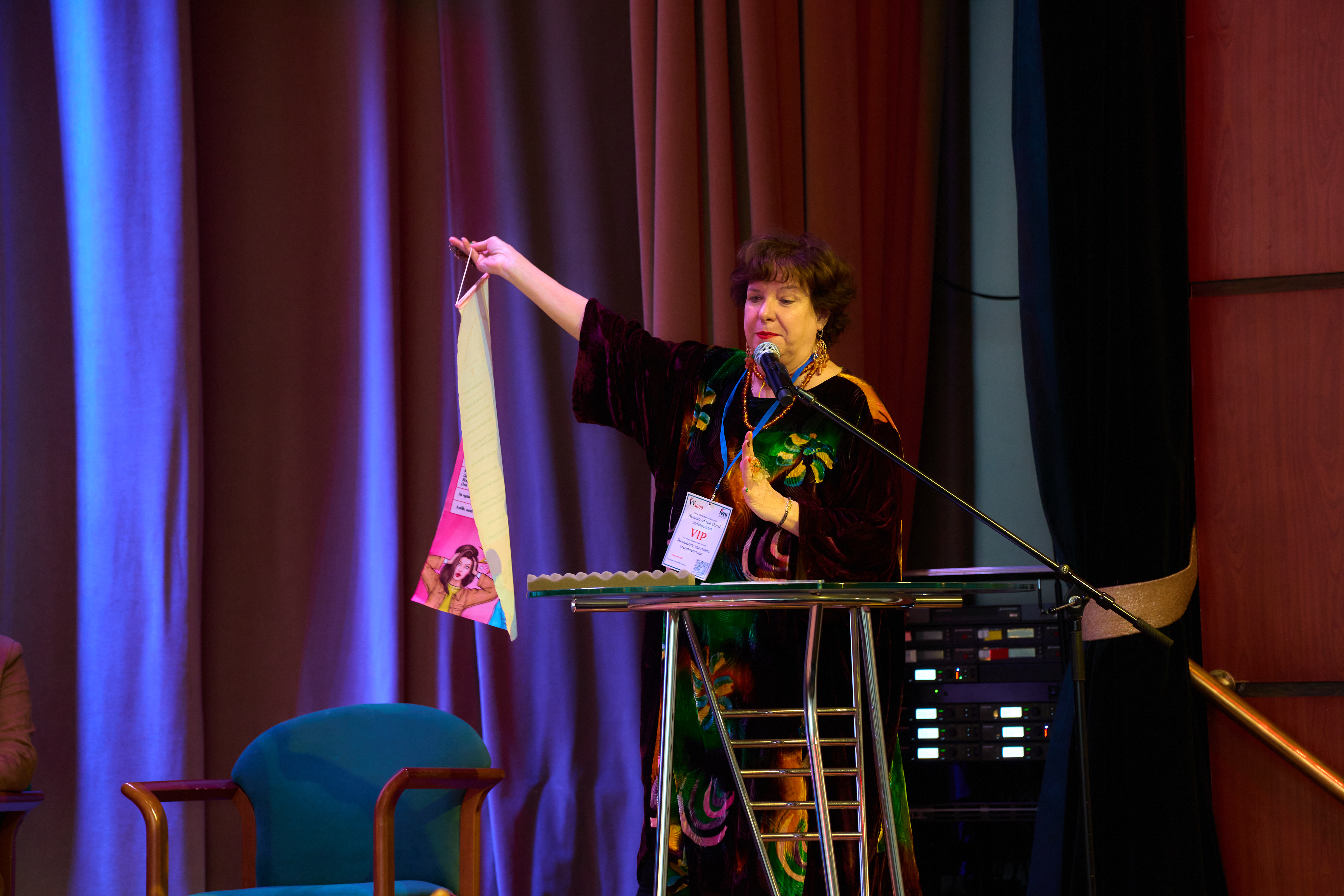
During the discussion, the participants of the session agreed that successful global positioning requires the creation of an integrated ecosystem that unites the efforts of legislators, regional authorities, business, the scientific community and diplomatic structures. Special attention was paid to the issues of intellectual property protection as a necessary condition for scaling a creative business.
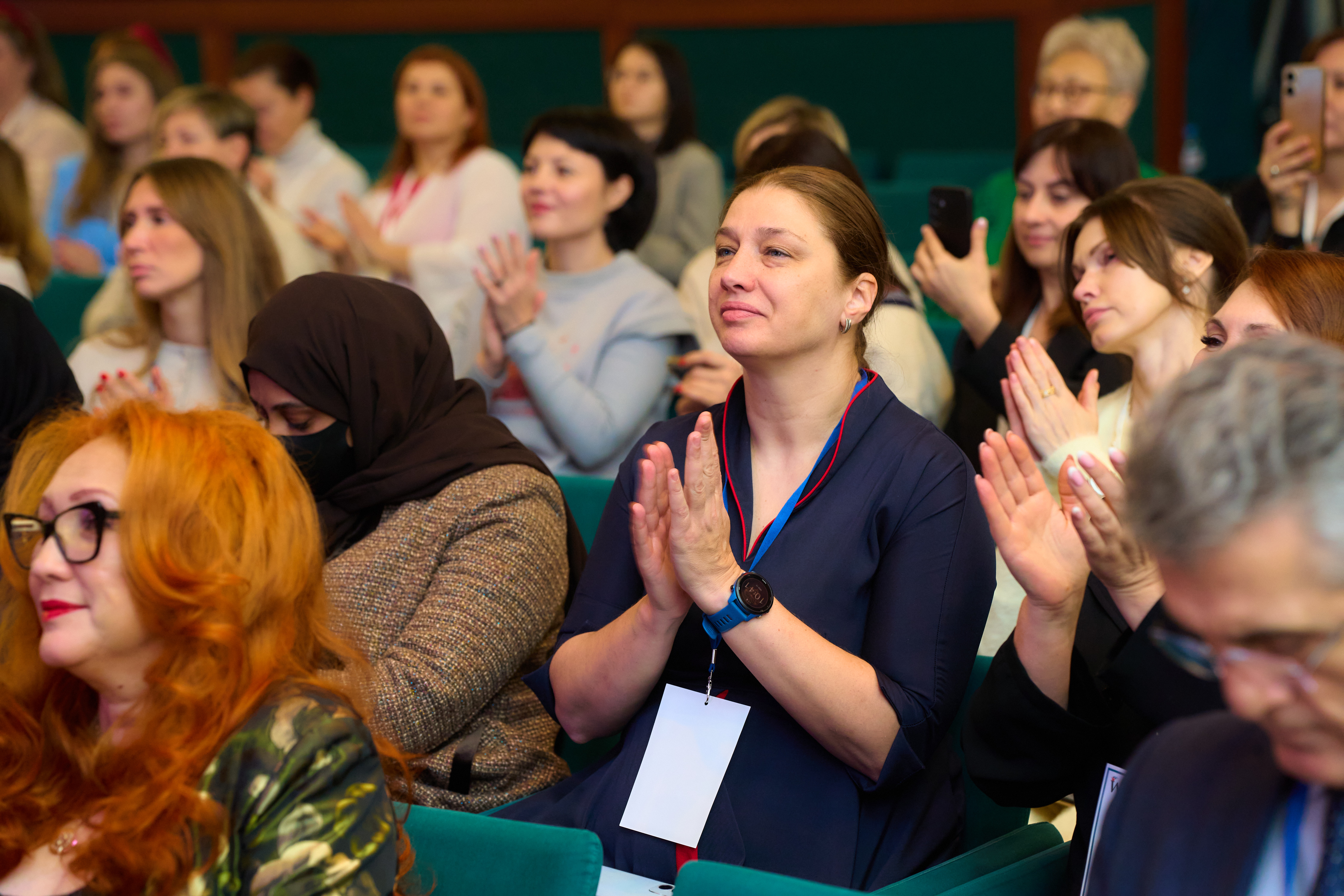
The participants emphasized that Russia’s cultural heritage is not a museum exhibit, but a living resource for creating sought–after products, from immersive shows to consumer goods. It was noted that the uniqueness of the Russian regions and their cultural identity are a competitive advantage in the international arena.
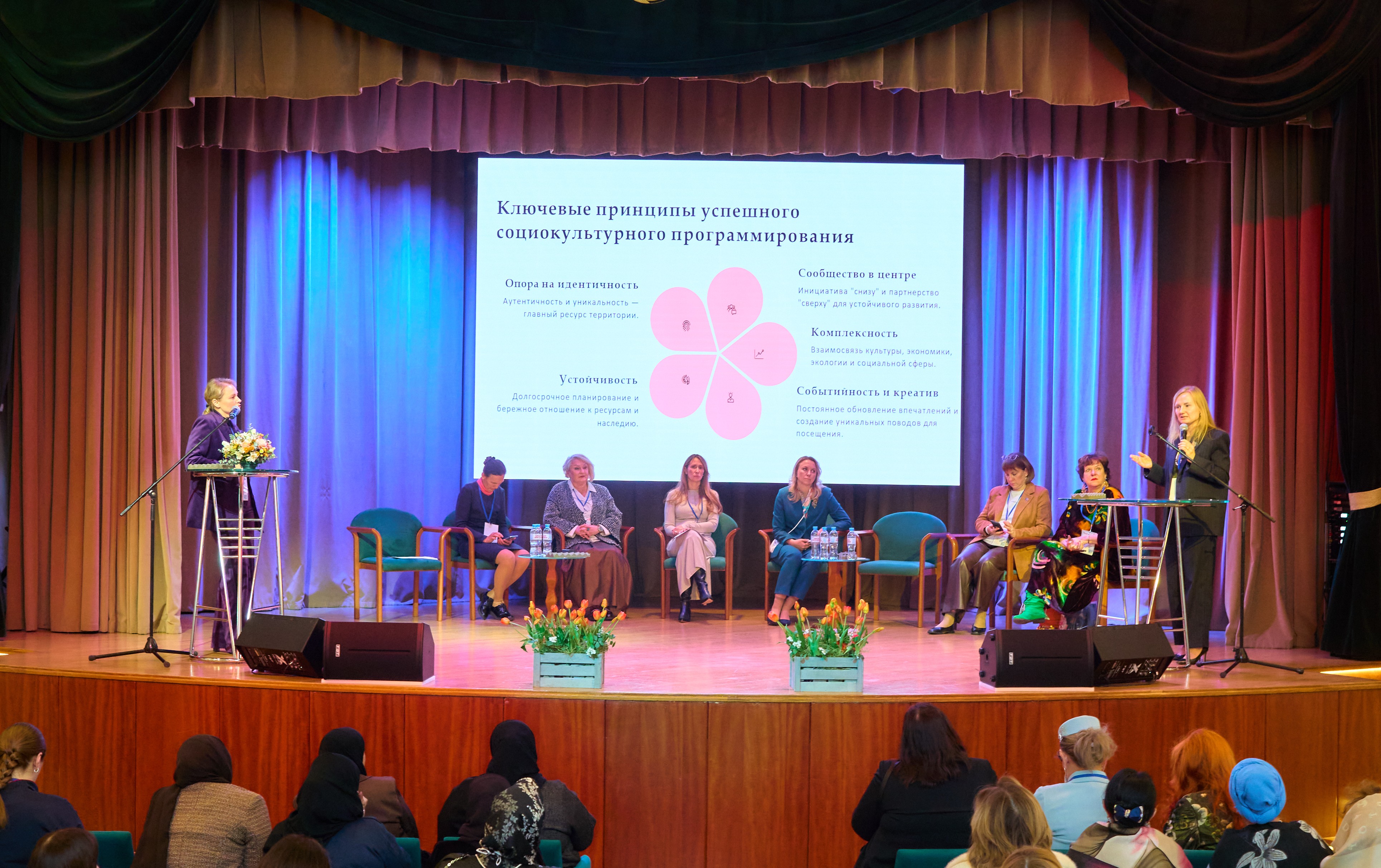
The session demonstrated that the creative industries are becoming a powerful tool for Russia’s global positioning, and women leaders are playing a key role in shaping the country’s new image on the international stage.
Earlier, we talked about the results of the 4th International Forum “Woman of the Third Millennium”
More photos on the links
https://vk.com/album-211188669_309611735
https://vk.com/album-211188669_309605328
https://vk.com/album-211188669_309673916